Key facts
- The dollar index was flat at 101.27 ahead of U.S. inflation data.
- Renewed U.S.-Iran tensions, including missile and drone assaults, have increased.
- Oil prices surged over 9% to a one-month high on Monday.
- Federal Reserve Governor Christopher Waller indicated rates may need to rise if inflation persists above the 2% target.
- The Japanese yen traded near flat against the dollar at 162.40 per dollar, near 40-year lows.
- Japanese authorities remain vigilant about potential further intervention.
The dollar held steady on Tuesday as investors awaited U.S. inflation data, with Middle East tensions providing support by lifting oil prices. The yen remained under pressure due to concerns about potential intervention and comments regarding state pension fund allocations.
The dollar index, measuring its value against a basket of major currencies, was flat at 101.27. Inflation risks are in focus with the upcoming release of U.S. June CPI and PPI data, alongside Federal Reserve Governor Christopher Waller's testimony.
Renewed tensions between the U.S. and Iran resurfaced, with President Donald Trump announcing a naval blockade on Tehran and vowing to keep the Strait of Hormuz open. This followed exchanges of missile and drone strikes over the weekend, which saw Iran strike U.S. facilities and claim to have closed the vital shipping route.
Oil prices surged over 9% to a one-month high on Monday, with WTI and Brent crude futures rising more than 2% in early Tuesday trading. The euro was stable against the dollar at $1.1383, and sterling traded at $1.3347.
Federal Reserve Governor Christopher Waller stated that interest rates might need to increase in the near term if inflation persists above the central bank's 2% target. Economists' median estimate for June core CPI was 0.2% month-on-month growth, though a reading of 0.3% or higher could trigger a Fed rate hike as early as the July meeting, according to Ray Attrill, head of FX strategy at National Australia Bank.
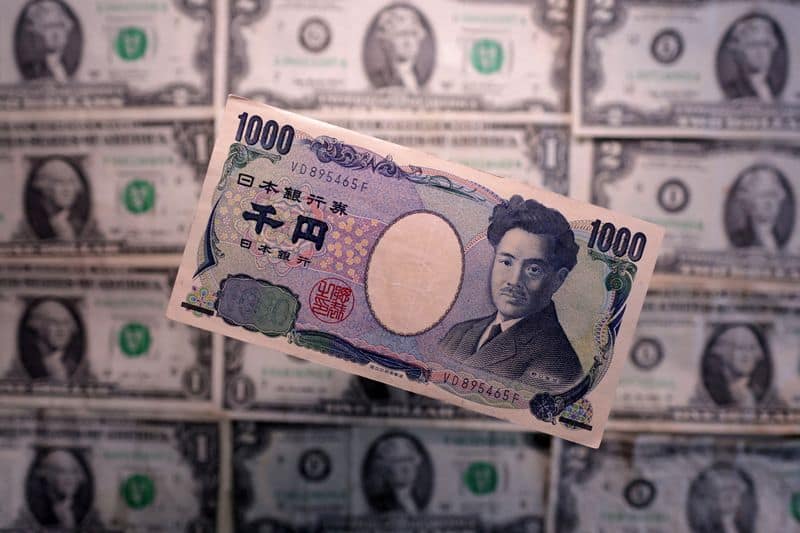
The Japanese yen traded near flat against the dollar at 162.40 per dollar, keeping traders alert for potential intervention from Tokyo authorities as the currency languishes at 40-year lows. Japanese authorities have indicated that further forceful intervention is possible if there is another dramatic move. The yen had slipped on Monday after reports indicated no immediate plans to alter state pension fund asset allocations, tempering expectations for near-term support for domestic assets. The yen and Japanese bonds had rallied on Friday following Finance Minister Satsuki Katayama's comments about encouraging pension funds to invest more in Japanese financial assets.