All NewsEducationTV
Equities & FundsCrypto & Digital AssetsAI & TechnologyBusiness & CorporateUS Politics & PolicyGeopolitics & Global RiskMacro, Rates & FXCommodities & EnergyEuropean Politics & MarketsAsia-PacificReal Estate & Property
All NewsHome
← Back to Geopolitics & Global Risk

Deadly Flood Hits Nepal and Tibet After Glacier Collapse

Created at 28 Aug · 2:06 AM1 source↑ Market-relevant
IN SHORT

A massive glacial collapse in the Himalayas triggered a deadly flash flood and landslide on August 26, impacting Nepal and China's Tibet Autonomous Region. Authorities report hundreds dead and missing, with extensive destruction of villages, roads, and infrastructure.

Key Numbers

359people dead in Nepal
910people missing in Nepal
3people dead in Tibet
558people missing in Tibet
664tourists missing in Nepal
65Americans missing
19bridges washed away
40 kilometersroads washed away
5.2magnitude of seismic event
8:37 a.m.local time of glacial collapse
17,000 feetaltitude of ice break
4,000 feetfall distance of ice

Who's Involved

Nepalese authorities
reporting casualties and infrastructure damage
Chinese authorities
reporting casualties in Tibet
U.S. Geological Survey
determined tremor was caused by glacial rock and ice collapse
Jeffrey Kargel
Planetary Science Institute scientist analyzing the source
Keshav Prasad Baral
survivor of the flash flood
Bibek Kumal
survivor saved by clinging to a mango tree
Hatim Sharif
hydrologist explaining the danger of mudslides
Dave Petley
earth scientist describing the scale of the event
Tula Bahadur BK
health worker in Rasuwa describing devastation
Nepal Tourism Board
reporting missing foreign tourists
Deadly Flood Hits Nepal and Tibet After Glacier Collapse

↳ Why This Matters

This event highlights the vulnerability of Himalayan communities and infrastructure to glacial lake outburst floods and landslides, exacerbated by climate change, posing significant risks to life and regional stability.

Key facts

  • A glacial collapse in Nepal on August 26 caused a massive flash flood and landslide.
  • The disaster affected Nepal and China's Tibet Autonomous Region.
  • Authorities report at least 359 deaths and 910 missing in Nepal.
  • Chinese authorities reported three deaths and 558 missing.
  • Villages, roads, bridges, and a hydropower plant were destroyed.
  • Damage to communication networks is hindering rescue and assessment efforts.

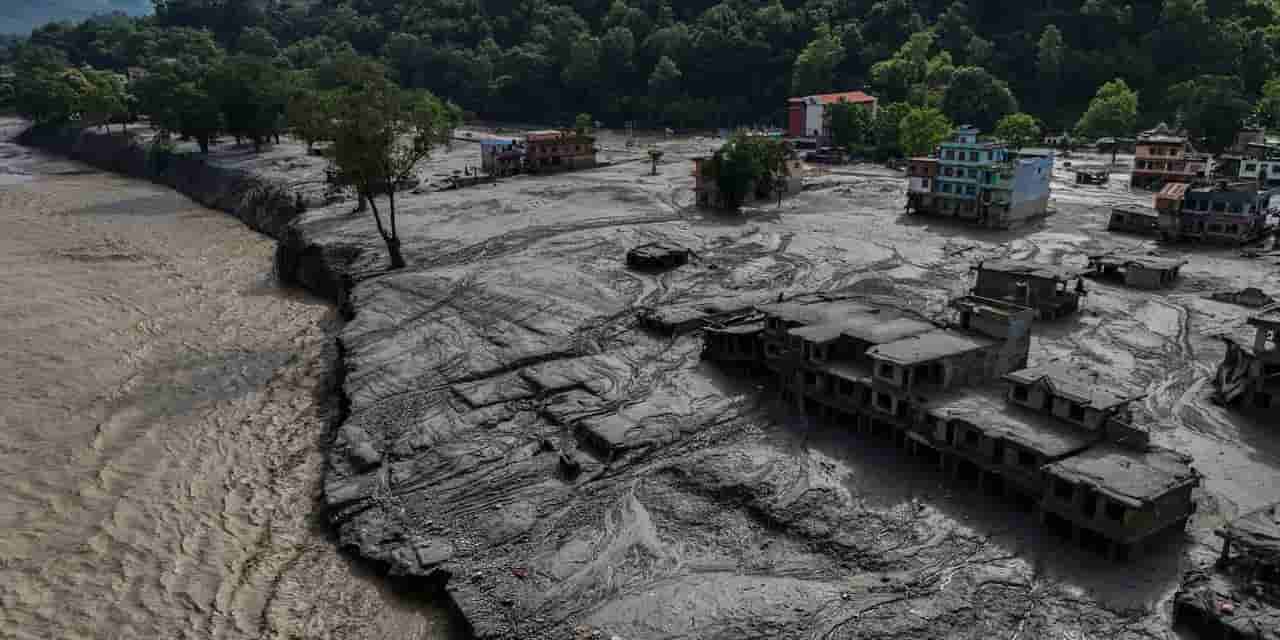
A catastrophic glacial collapse in the Himalayas on August 26 triggered a massive flash flood and landslide, devastating areas in Nepal and China's Tibet Autonomous Region. Authorities in Nepal reported at least 359 people dead and 910 missing as of August 27, with extensive destruction of villages, roads, and infrastructure, including 19 bridges and approximately 40 kilometers of roads washed away. The Bhotekoshi River overflowed, leading to a landslide that swept away homes, roads, bridges, and a hydropower plant. Foreign tourists and pilgrims were among those affected. On the Chinese side, authorities stated three people had died and 558 were missing. The full extent of the disaster remains unclear due to severe damage to communication networks. The event was initially reported as an earthquake but was later determined by the U.S. Geological Survey to be a magnitude 5.2 tremor caused by glacial rock and ice collapsing. Scientists believe a massive ice and rock debris flow plummeted from an altitude of about 17,000 feet into the Lhende Khola River valley, creating a rapidly moving slurry that cascaded over 60 miles. Rescue operations have been hampered by damaged infrastructure and high river levels, with helicopters being used to reach affected areas. Survivors described the terrifying speed and force of the mud and water, with some losing family members.

Frequently asked questions

A massive collapse of a glacier in the Himalayas triggered the flash flood and landslide. This event also caused a seismic tremor.

Hundreds of people are dead or missing in Nepal and Tibet. Villages, roads, bridges, and a hydropower plant were destroyed.

Severe damage to communication networks and infrastructure is hindering search and rescue operations.

Yes, foreign tourists and pilgrims, including citizens of India and the U.S., are among those missing or affected.

What Happens Next

01Scientists will continue to assess the risk of further flooding.
02Full understanding of the event may take days or weeks.

How It Developed

A glacier in Nepal's Langtang National Park collapsed on August 26.
The collapse caused a seismic event registered as a magnitude 5.2 tremor.
The event triggered a massive release of water, mud, rock, and ice.
Flash floods thundered down valleys and into the Bhotekoshi River system.
Villages, roads, bridges, and a hydropower plant were swept away in Nepal.
Hundreds of people, including foreign tourists and pilgrims, are dead or missing in Nepal.
Casualties have also been reported in China's Tibet Autonomous Region, with missing persons.
Communication networks and infrastructure damage are hampering rescue efforts and the full assessment of the toll.

Sources

T1
Through the Lens: Deadly flood Hits Nepal and Tibet in Himalayan valleyNikkei Asia
T2
How the deadly Nepal and Tibet flash flood unfolded - a visual guidetheguardian.com
T2
See how a glacier may have caused a deadly flood in Nepal and Tibetusatoday.com

Related Stories

Rescuers scour Nepal flood debris as risk of fresh flooding grows
27 Aug · 4:30 PM
Hundreds Missing After Nepal, Tibet Floods
27 Aug · 7:10 PM
Himalayan glacier collapse disrupts China-Nepal trade route
27 Aug · 12:36 PM
Magnitude 5 earthquake hits Tibet, hundreds of miles north of Himalayan flood
27 Aug · 5:03 PM
Pilgrims Missing After Nepal-Tibet Floods
27 Aug · 9:06 AM