Key facts
- Cuba's National Assembly approved 176 economic reforms.
- Reforms aim to expand private sector participation and attract foreign investment.
- State partnership requirement for foreign investors is removed.
- Authorization for large private firms and stakes in state-owned enterprises is permitted.
- President Miguel Díaz-Canel affirmed commitment to the socialist system.
- Economic difficulties are attributed to the US trade embargo and internal factors.
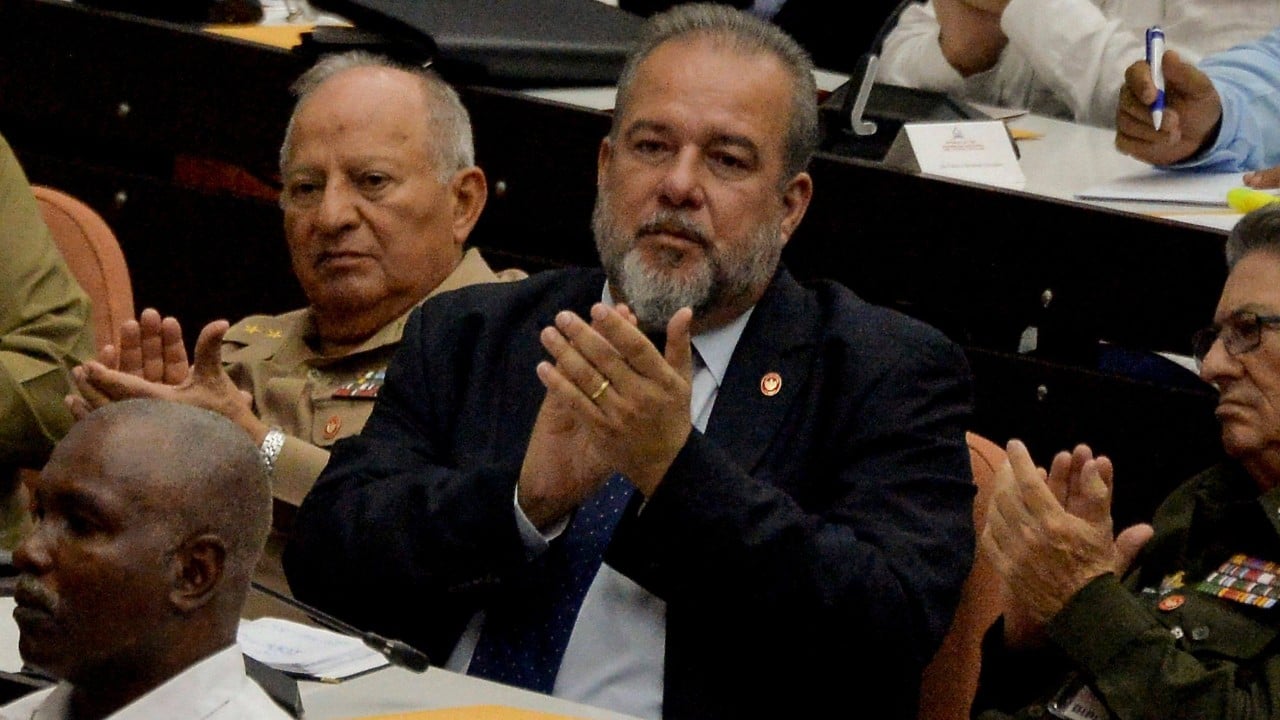
Cuba's parliament has approved a package of 176 economic reforms aimed at loosening the country's socialist model, increasing private sector involvement, and attracting foreign investment. The measures, presented by Prime Minister Manuel Marrero, were unanimously approved by the National Assembly. Key changes include removing the requirement for foreign investors to partner with state-owned companies, authorizing large private firms, and allowing domestic and foreign investors to acquire stakes in state-owned enterprises.
President Miguel Díaz-Canel affirmed the government's continued commitment to the socialist system, stating the changes were necessary to address the country's economic situation. Cuban authorities attribute economic difficulties to the U.S. trade embargo and restrictions on oil supplies, alongside internal factors like bureaucracy and sluggishness. The economy is currently grappling with shortages of essential goods and frequent power cuts.
These reforms have raised expectations for economic recovery in sectors like tourism. US Vice-President JD Vance indicated Washington is discussing potential economic and political changes with the Cuban government.