Key facts
- Cuba denies involvement in biodiesel shipments seized by US authorities.
- US seized nearly $3 million worth of biodiesel contracts involving ENETEC.
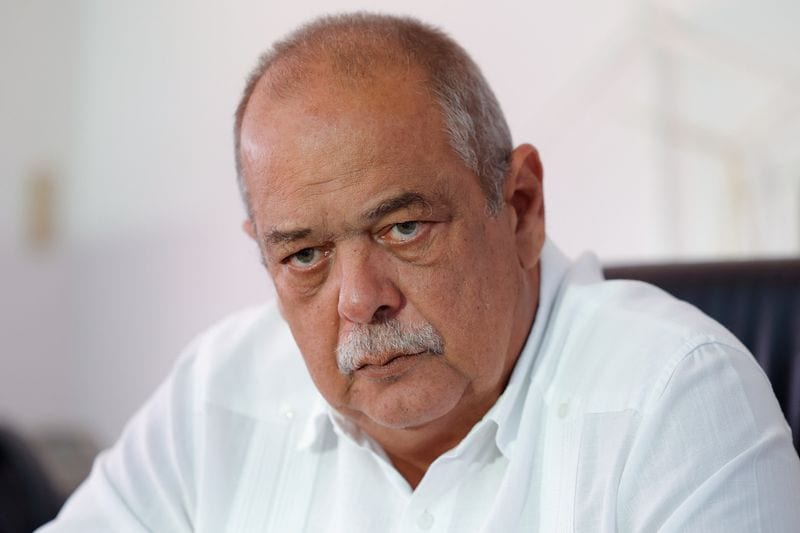
- Cuban Minister of Energy and Mines Vicente de la O Levy stated no Cuban state company secured contracts for the intercepted fuel.
- De la O Levy said imports cover less than 3% of Cuba's fuel needs.
- Cuba is pushing ahead with renewable energy, installing 144 solar farms with 1,418 megawatts capacity.
- Sherritt International Corp suspended operations at its Cuban nickel mine due to US sanctions.
Cuba's top energy official has denied any connection between the island's government and shipments of biodiesel seized by US authorities in September, rejecting US allegations of illegal fuel deals.
US authorities stated they seized 90 separate shipments of biodiesel, valued at nearly $3 million, which were part of contracts involving ENETEC, a sanctioned Cuban state energy trader. This action is part of a broader crackdown on alleged illegal fuel shipments to Cuba.
Vicente de la O Levy, Cuba's Minister of Energy and Mines, told Reuters he had no knowledge of the intercepted shipments and assured that no Cuban state-owned company had secured any contracts with ENETEC S.A. He added that current fuel imports from US companies, though increased in recent months, cover less than 3% of the island's needs.
The US has imposed an oil blockade on Cuba, which the minister described as worsening the island's existing energy crisis, leading to shortages of fuel, water, and electricity. Cuba and the United Nations have deemed US efforts to limit fuel shipments to the island as illegal and contrary to international law.
Regarding mining, de la O Levy confirmed Cuba's intention to continue nickel and cobalt production, essential for batteries and automobiles, but noted that stiffened US sanctions present significant barriers. Sherritt International Corp, a Canadian company with a long-standing joint venture in Cuba's largest mine, announced earlier this year it would suspend operations due to US sanctions. Sherritt later signed a non-binding agreement with Gillon Capital LLC to sell a stake in its Cuban mining business, though de la O Levy clarified that any purchase would involve shares in the Canadian company, not the joint venture itself.
On renewable energy, de la O Levy reported that Cuba has installed 144 solar farms with a combined capacity of 1,418 megawatts, ensuring baseline electricity production despite the fuel blockade. Domestic crude oil production remains stable but is almost entirely allocated to thermoelectric power plants, accounting for about 40% of the island's electricity. The country has also expanded electric transport and installed renewable energy sources at various public facilities.