Key facts
- Confirmed Ebola deaths in the Democratic Republic of Congo have surpassed 1,000.
- The outbreak is caused by the Bundibugyo virus, for which no approved vaccines or treatments exist.
- Approximately 80% of new cases are emerging outside known transmission chains.
- Health officials warn the crisis could worsen and potentially reach the scale of the 2014-2016 West Africa epidemic.
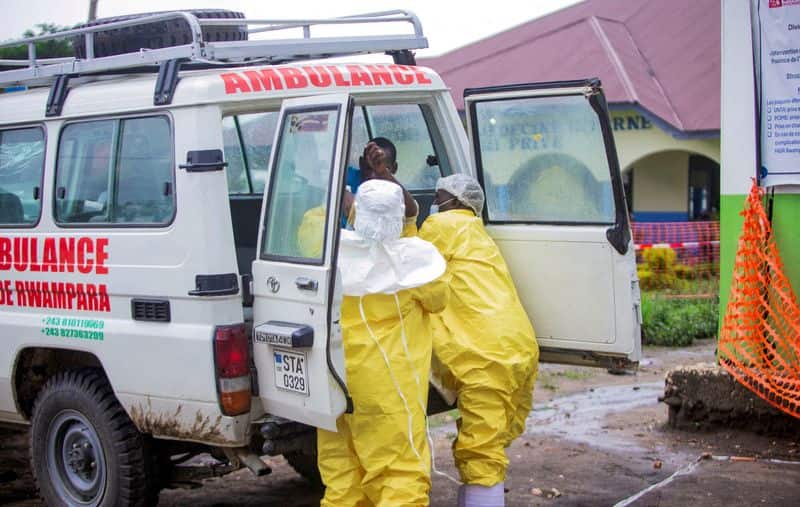
Ebola has killed more than 1,000 people in the Democratic Republic of Congo, with official figures showing 1,033 deaths and 2,536 confirmed cases. The outbreak, caused by the Bundibugyo strain with a fatality rate of up to 40%, is spreading rapidly, with approximately 80% of new cases emerging outside known transmission chains. Health officials are struggling to contain the virus amid militant violence, attacks on clinics, and shortages of basic supplies. The World Health Organization estimates the true scale of the outbreak could be two to four times larger than official figures. The first human clinical trial for a Bundibugyo virus vaccine has begun in the UK, but immediate containment challenges remain immense. The outbreak also spread to neighboring Uganda, which has reported 20 confirmed cases but no new cases since June 22.