Key facts
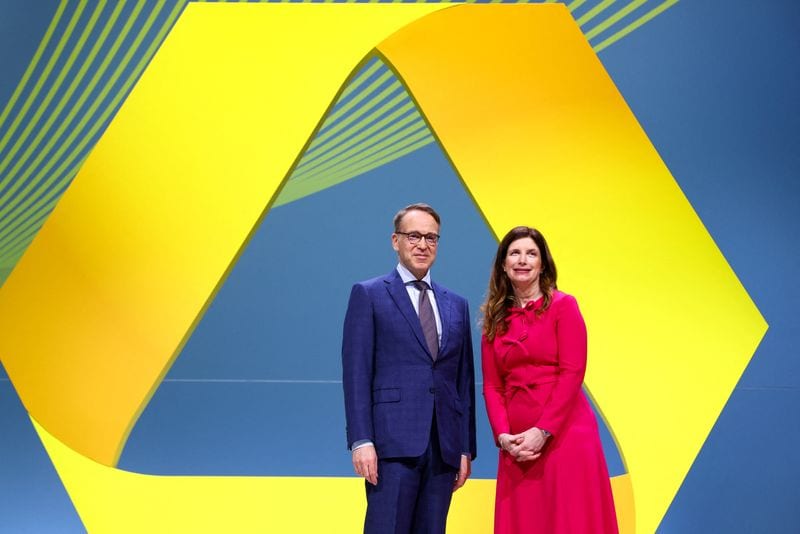
- Commerzbank supervisory board chair Jens Weidmann believes Germany's takeover rules need review.
- Weidmann stated UniCredit obtained a majority stake in Commerzbank with a financially unattractive offer.
- He noted that UniCredit did not pay an appropriate control premium to shareholders.
- Less than 18% of Commerzbank shares were tendered, with a significant portion coming from UniCredit-linked banks.
- Weidmann suggested that German lawmakers should examine the country's takeover law.
- He also recommended the German government maintain its stake in Commerzbank for the current phase.
Jens Weidmann, the supervisory board chair of Commerzbank, has called for a review of Germany's takeover rules, asserting that UniCredit was able to gain control of the lender without offering shareholders an adequate premium. Weidmann told Sueddeutsche Zeitung that UniCredit's approach was questionable because it achieved a majority stake despite making what he described as a financially unattractive offer.
According to Weidmann, fewer than 18% of the roughly 73% of Commerzbank shares that could have been tendered were actually submitted. He noted that institutional and retail investors accounted for less than 3 percentage points of this total, with the remainder coming from banks linked to UniCredit. "UniCredit was thus able to achieve a majority with a financially unattractive offer without paying an appropriate control premium," Weidmann stated, suggesting that lawmakers may want to examine Germany's takeover law.
While the offer period has concluded, the deal awaits regulatory approvals before UniCredit can take possession of the tendered shares. Commerzbank's efforts to resist the takeover waned in July as UniCredit progressively increased its stake to 48%, a level sufficient to influence shareholder resolutions.
Weidmann also commented on the German government's stake in Commerzbank, which originated from a rescue package during the global financial crisis. He believes the government should eventually withdraw its holding but stated that, in the current phase, it is sensible for the government to remain a shareholder to actively represent Germany's interests as a business location.