Key facts
- Citi increased its Q3 2026 Brent crude forecast to $80/bbl from $75/bbl.
- Citi maintained its Q4 2026 Brent forecast at $70/bbl and its 2027 average forecast at $65/bbl.
- Oil prices rose, influenced by U.S. job loss data and ongoing U.S.-Iran peace talks.
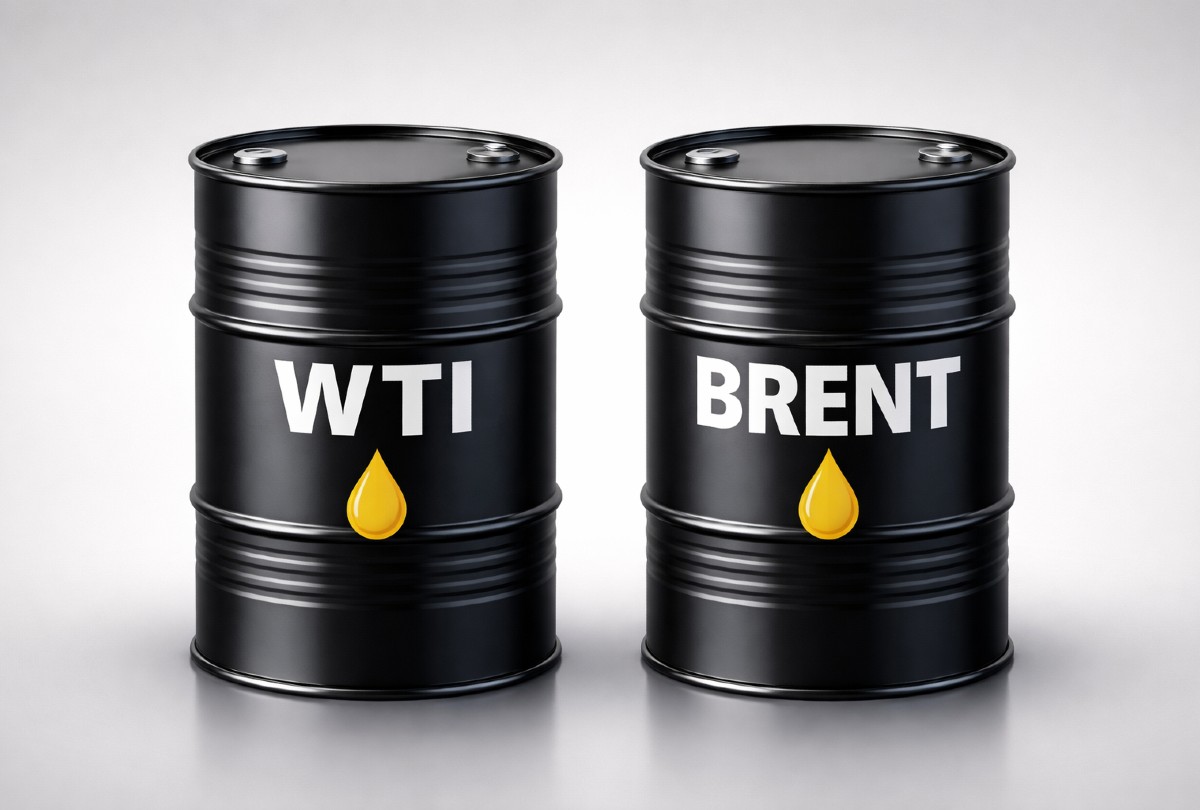
- Brent crude futures traded at $83.42/bbl and WTI futures at $78.25/bbl.
- Goldman Sachs anticipates Brent will trade between $80 and $90/bbl until a U.S.-Iran agreement is confirmed or attacks escalate.
Citi has raised its third-quarter 2026 average Brent crude forecast to $80 a barrel from $75, citing prolonged negotiations between the U.S. and Iran and continued constraints on oil flows through the Strait of Hormuz. The bank maintained its forecasts for the fourth quarter of 2026 at $70 a barrel and for the full year 2027 at $65 a barrel.
Oil prices increased, influenced by U.S. job loss data and ongoing concerns over peace talks between Iran and the U.S. Brent crude futures traded at $83.42 a barrel, a 1.14% increase, while U.S. West Texas Intermediate futures rose 1.24% to $78.25.
Goldman Sachs projects Brent crude will likely remain within the $80 to $90 a barrel range until a new U.S.-Iran agreement is confirmed or there is a significant escalation in attacks. The firm also noted the possibility of prices reaching $120 per barrel if Hormuz remains closed for an extended period.
Citi's revision marks a shift from its earlier bearish outlook, which had recommended selling summer rallies with predictions of Brent falling to $60-$65 by year-end. However, shipping through Hormuz remains constrained, Middle East oil production is below pre-war levels, and attacks on commercial vessels have continued.
Previously, Citi warned of a potential surge to $150 a barrel if oil flows through the Strait of Hormuz were disrupted through the end of June. The bank had set its base-case forecast for Brent at $110, $95, and $80 a barrel for the second, third, and fourth quarters of 2026, respectively, with a 50% probability. Citi also adjusted its expected reopening of the Strait of Hormuz to the end of May, following the failure of peace talks between the U.S. and Iran.