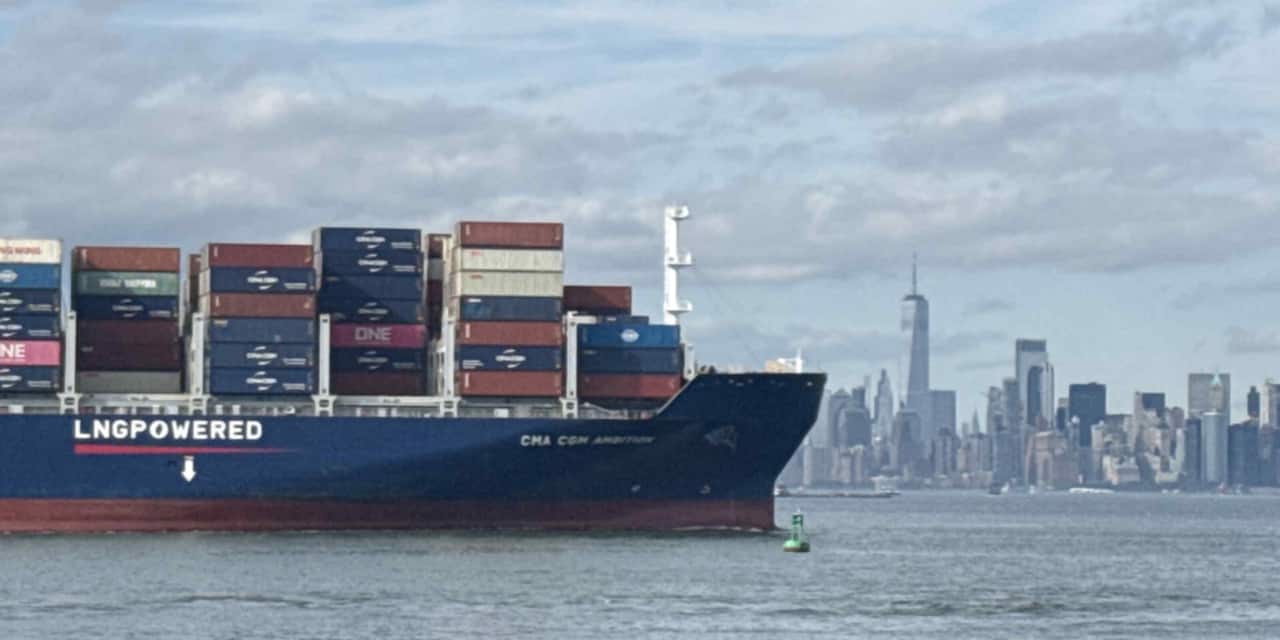
Spot freight rates for container ships traveling from China to the U.S. have reached their highest level in nearly two years, as businesses rush to import holiday season products ahead of potential tariff increases. The surge was triggered by a U.S.-China pact established on May 12, 2025, which aimed to diminish tariffs on imported goods. This policy led to an artificial spike in demand as companies sought to capitalize on lower tariff windows, causing rates to jump dramatically.
Drewry’s World Container Index reported a 70% increase in average spot rates, with the Shanghai-to-Los Angeles route seeing a more than 57% surge in just one week. Container space became scarce almost immediately, with carriers filling schedules weeks in advance and leading to overbooked vessels, terminal congestion, and delayed estimated times of arrival at major U.S. and Asian ports. This situation also caused rerouting delays at European ports, backed-up trans-Pacific supply chains, and increased inland freight costs.
Logistics providers note that the global container market is still recalibrating post-COVID and was unable to quickly adapt to the sudden demand. Shippers raced to import goods due to tariff urgency, lean post-pandemic inventories, and limited carrier flexibility. Waiting to import led to premium pricing, higher rush shipment fees, and missed production deadlines. The ripple effect extended to air freight, with volumes climbing as shippers sought faster alternatives.