Key facts
- A small plane crashed into Beijing's CITIC Tower, killing the pilot and injuring 13.
- Chinese authorities have released minimal information and intensified censorship.
- Discussions of the crash have been scrubbed from Chinese social media.
- Light aircraft operations have been suspended nationwide pending official guidance.
- The incident raises questions about aviation safety gaps and airspace control in Beijing.
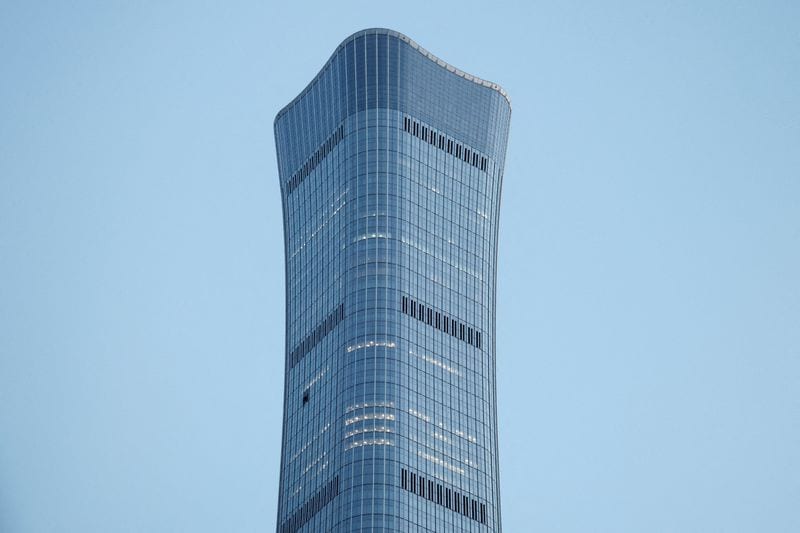
A small plane crashed into Beijing's tallest building, the 108-storey CITIC Tower, killing the pilot and injuring 13 people on June 26. In the aftermath, Chinese authorities have released minimal information, leading to widespread speculation and intensified censorship. Dramatic footage of the incident has been removed from the internet, and discussions on social media have been scrubbed. Bystanders near the scene were reportedly told by police to delete photos and videos from their phones.
At least one Beijing-based scenic flight service provider has halted tours, and another in Qingdao has suspended operations, citing control measures and awaiting official guidance. The Civil Aviation Administration of China (CAAC) has not yet commented, leaving over 100,000 low-altitude related companies uncertain about when services can resume.
The incident raises significant questions about aviation safety and airspace control in the Chinese capital. It is unclear how the light aircraft entered an area adjacent to a permanent no-fly zone and crossed restricted airspace used by commercial jets arriving at Beijing Capital International Airport. A Hainan Airlines flight reportedly altered its descent to avoid the smaller aircraft.
Chinese regulations require all flights to be approved in advance, with flight plans submitted the day before takeoff. Flying over urban areas is generally prohibited. Experts suggest the crash exposes gaps in aviation and defense authorities' ability to prevent such incidents, whether intentional or accidental, and will likely lead to more careful consideration of managing risks associated with the growing low-altitude economy.