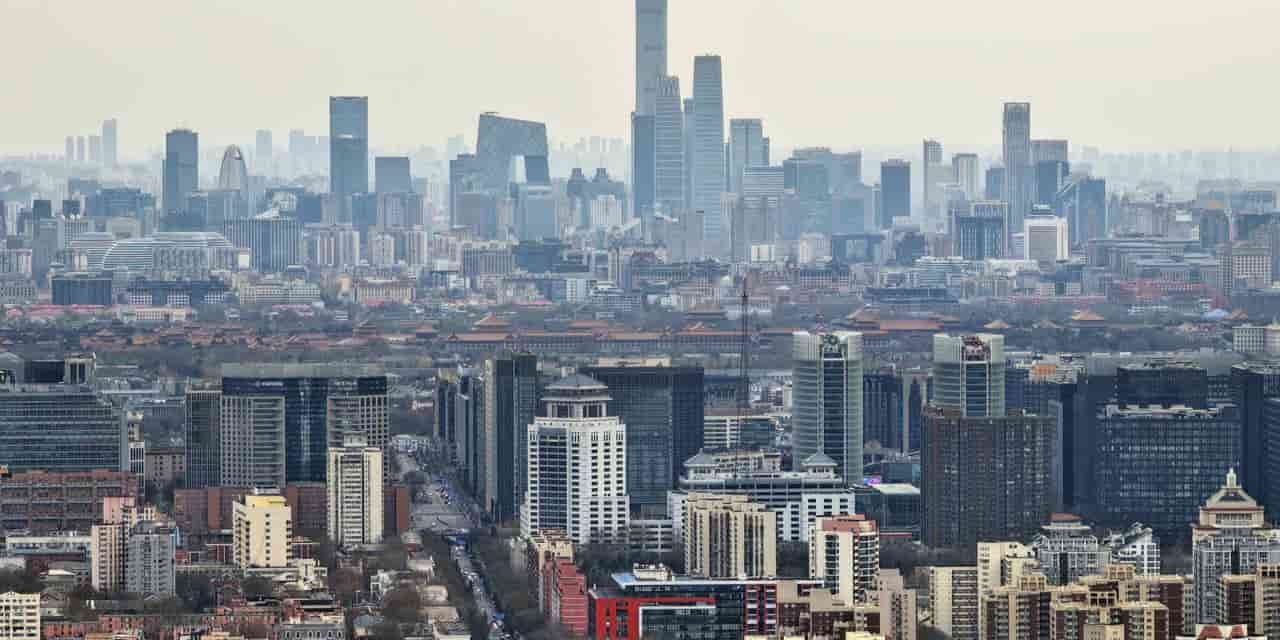
China's real estate sector is grappling with a prolonged slump, now in its fifth year, marked by a significant decline in investment and home sales. Real estate investment has plunged nearly 44% since the start of the decade, with average new home prices falling approximately 20% from their 2021 peak. This downturn has led to a dampening of consumption, as housing is the primary store of household wealth, and has exacerbated local government debt pressures due to shrinking land-sales revenue.
Beijing's response has been cautious, focusing on containing financial risks and gradually dismantling financing restrictions, launching lending programs for unfinished projects, and lowering mortgage costs. However, these measures have not been sufficient to reverse the persistent deterioration in homebuyer sentiment. The government is actively pursuing a "new property development model," which signals a strategic shift away from real estate as a primary growth driver towards a macroeconomic anchor.
This new model aims to redirect credit and resources toward advanced manufacturing and future industries, aligning with the broader goal of economic rebalancing. The property sector's share in total fixed-asset investment has declined from a peak of 25%-30% to 16.9% by 2025. The IMF has previously noted that China's housing price increases, while substantial, were from a lower base compared to Western economies before their financial crises, and that Chinese policymakers had implemented stricter rules on down payments. However, indicators such as high home-price-to-income ratios and a rapid increase in household debt have signaled brewing problems.