Key facts
- China has expanded its export control list to include 20 more Japanese entities, intensifying trade pressure.
- Canada is actively pursuing a critical minerals supply chain partnership with Japan, offering alternatives to Chinese supply.
- Japanese and Canadian companies signed deals worth over $1.7 billion during a recent trade mission.
- Japan has reduced its dependence on Chinese rare earths, but China still holds significant leverage.
- G7 nations have established a critical minerals alliance to diversify supply chains.
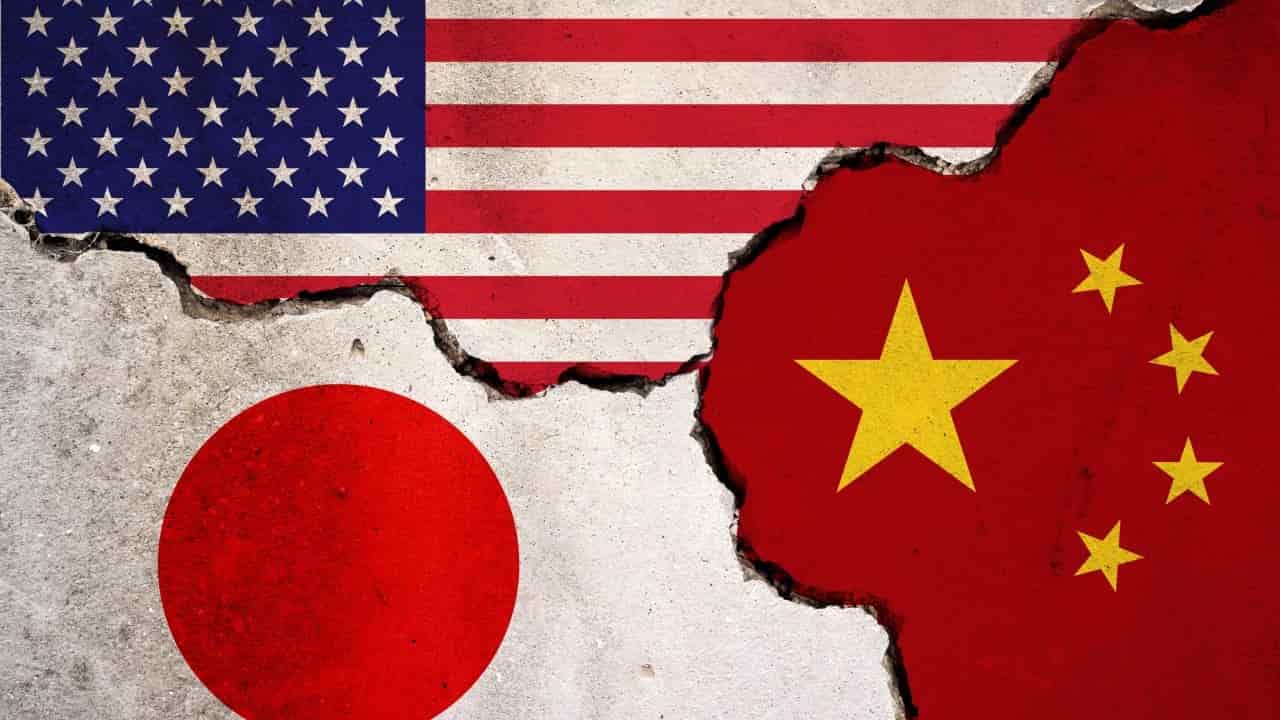
China has intensified its trade pressure campaign against Japan by adding 20 more entities, including major industrial firms, to its export control list. This move comes as Canada is actively seeking to strengthen its critical minerals supply chain partnership with Japan, presenting Ottawa as an alternative to Chinese supply. International Trade Minister Maninder Sidhu led a significant trade mission to Tokyo, emphasizing joint ventures, off-take agreements, and shared stockpiles of minerals like graphite and gallium. The mission resulted in over $1.7 billion in commercial deals, highlighting Japan's efforts to diversify its resource dependencies, exemplified by an expanded graphite supply agreement between Nouveau Monde Graphite and Panasonic Energy. Japan has already reduced its reliance on Chinese rare earths, but Beijing still wields considerable leverage, as demonstrated by past actions in 2010. The current trade dispute appears linked to comments made by Japanese Prime Minister Sanae Takaichi regarding Taiwan. Canada is also exploring increased energy partnerships with Japan, despite Mitsubishi subsidiaries being caught in China's latest sanctions. The G7 has launched a critical minerals alliance to counter reliance on single suppliers, though building Western alternatives will be a long-term endeavor.