Key facts
- China's Long March 7A rocket exploded shortly after liftoff on Monday.
- The ChinaSat-4B satellite payload was lost due to the in-flight anomaly.
China's Long March 7A rocket experienced an in-flight anomaly and exploded shortly after liftoff from the Wenchang space launch site, resulting in the loss of the ChinaSat-4B satellite. An investigation into the cause is underway.
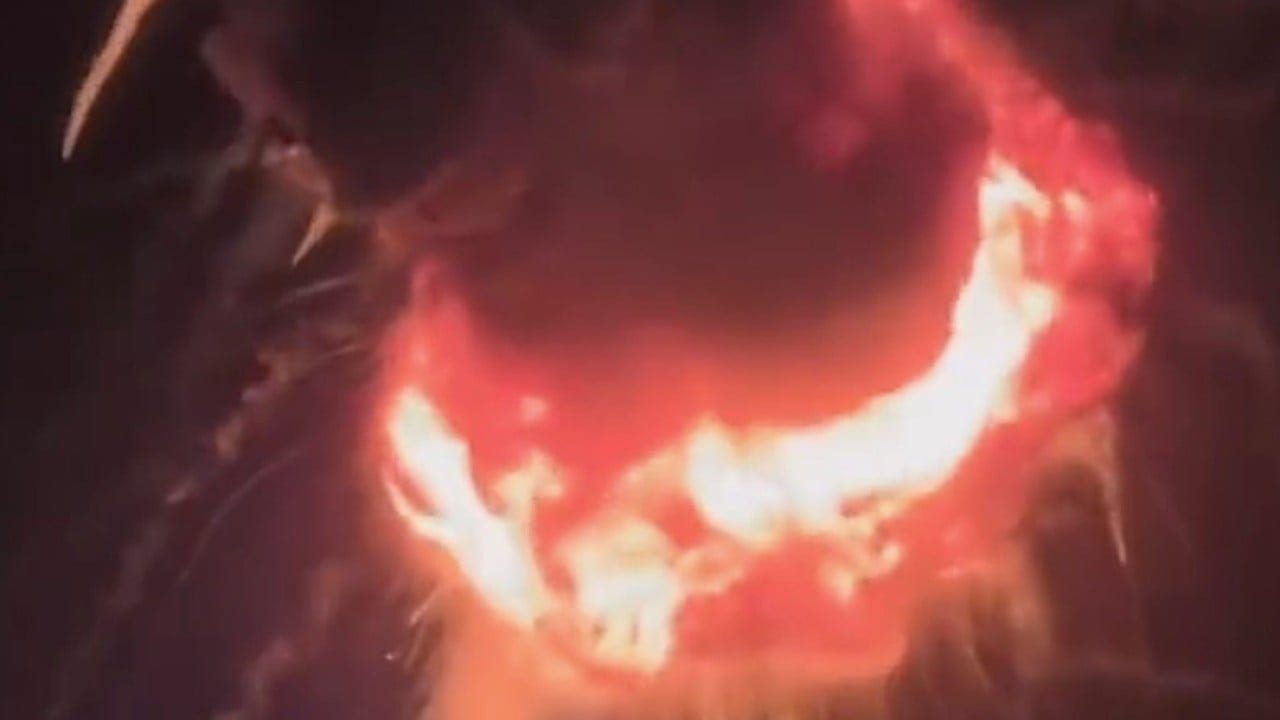
The failure of the Long March 7A rocket and its ChinaSat-4B payload represents a setback for China's space program, potentially impacting its satellite communication capabilities and future high-orbit missions. It also highlights the inherent risks and complexities of rocket launches, even for established programs.
China's Long March 7A rocket experienced an in-flight anomaly and exploded shortly after liftoff on Monday, resulting in the loss of its ChinaSat-4B satellite payload. The rocket launched at 8:02 p.m. Beijing time from the Wenchang space launch site in Hainan province. The mission was unsuccessful, and the cause is currently under analysis and investigation.
Launch video indicated the rocket was destroyed at a relatively low altitude and velocity, preventing any components or debris from reaching orbit. This incident marks the first failure for the Long March 7A since its maiden flight in March 2020, which also suffered an in-flight malfunction. The rocket had completed over a dozen successful flights prior to Monday's mission.
The lost satellite, ChinaSat-4B, is part of the same series as ChinaSat-4A, launched in 2024, which provided voice, data, radio, and television transmission services. The Long March 7A is a medium-lift rocket designed for high-orbit missions. SpaceX founder Elon Musk commented on the difficulty of rocket launches, and Jonathan McDowell, an honorary professor at Durham University, provided analysis of the launch video.
Pick the topics you care about. Get only what matters, on your cadence.