Key facts
- China's exports rose 23.9% in July, driven by AI-related high-tech products.
- Chinese open-source AI models are emerging as competitors to Western AI products.
- The US FCC banned Chinese humanoid robots due to national security concerns.
- US tech giants have urged lawmakers to avoid restricting open AI models.
- China's trade surplus remained elevated at $112.5 billion in July.
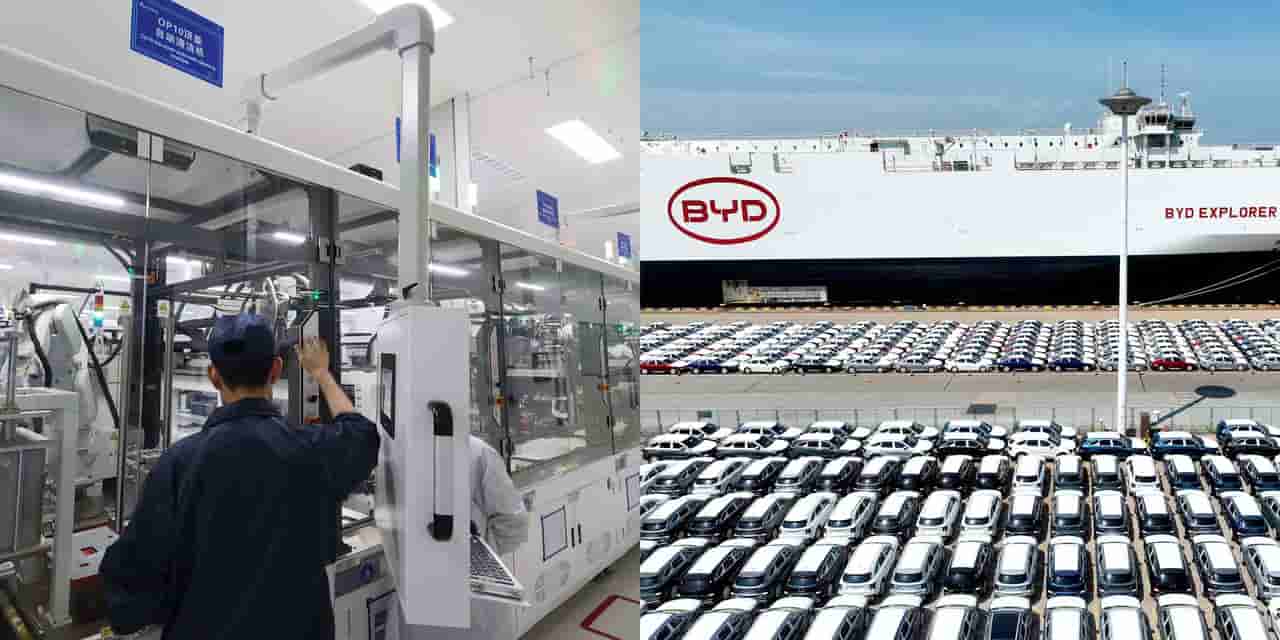
China's internal hypercompetition is driving rapid technological advancements, particularly in AI, chips, and robotics, leading to a surge in exports of high-tech products. This export-led growth, while boosting China's economy and trade surplus, is causing concern among global trading partners, including the US, over potential unfair competition and market disruption.
In July, China's exports increased by 23.9%, exceeding forecasts, largely due to demand for AI-driven goods like semiconductors. However, this export strength contrasts with weaker domestic consumption and a prolonged property sector downturn. While high-tech sectors are thriving, traditional industries are struggling with overcapacity.
The US is grappling with how to respond to China's technological advances. The emergence of powerful, free open-source AI models from Chinese companies like Moonshot AI has divided the US tech industry and the White House. Some see opportunities in these models, while others, like OpenAI and Anthropic, warn of security risks and profit pressures. Prominent tech firms, including Microsoft and Nvidia, have urged against restricting open models, with Nvidia's CEO lobbying on Capitol Hill.
Adding to the tensions, the US FCC banned Chinese humanoid robots, citing national security risks. This action escalates the technological competition between the two nations. Meanwhile, President Trump has expressed a cautious approach, aiming to avoid falling behind China in AI development while acknowledging the need for safety controls.
China's trade surplus in July narrowed slightly to $112.5 billion, but remains significant, underscoring its reliance on exports. The country's economic growth for the first half of 2026 was 4.7%, with a slowdown to 4.3% in the second quarter, highlighting the need for Beijing to foster new growth drivers beyond manufacturing and exports.