Key facts
- Huawei plans to expand its AI cooperation with Chinese pharmaceutical firms.
- The company aims to enter the AI drug discovery market.
- Huawei offers AI tools for screening drug compounds.
- One project with Guangzhou Pharmaceutical Holdings validated AI drug research models.
Chinese technology conglomerate Huawei is planning to deepen its artificial intelligence cooperation with domestic pharmaceutical companies, aiming to establish a significant presence in the rapidly growing AI drug discovery market. The company's healthcare business unit president, William Zhang, indicated that collaborations would expand from clinical practice into drug development and final implementation.
Huawei offers AI tools for screening potential drug compounds, supported by its Ascend and Kunpeng chips. The company has already engaged in projects with local drugmakers, including a validation of AI drug research models with state-owned Guangzhou Pharmaceutical Holdings. Industry forecasts suggest that AI-driven optimization in drug discovery could significantly reduce early-stage development timelines and costs within the next three to five years.
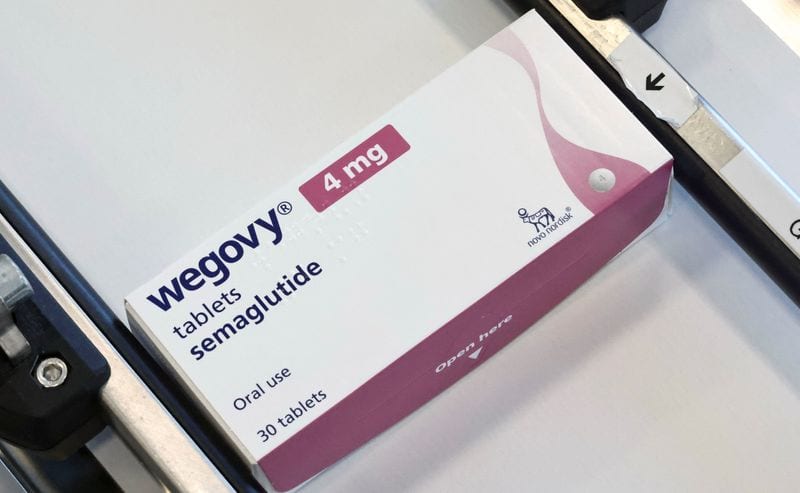
This strategic push by Huawei occurs as major technology firms, including U.S. chip giant Nvidia, are forging partnerships with pharmaceutical companies like Eli Lilly and Novo Nordisk to capitalize on the demand for AI-powered drug research. Meanwhile, Novo Nordisk's application for its oral GLP-1 weight-loss drug Wegovy has been accepted by China's drug regulator, signaling its intent to compete in a market where obesity rates are projected to rise sharply, potentially driving substantial sales for GLP-1 therapies.