Key facts
- China has fully reopened the G216 national highway to the Gyirong border crossing into Nepal.
- The road was destroyed by a glacier collapse that triggered mudslides and floods on August 26.
- Rescue efforts were hampered by relentless rain, strong river currents, and unstable terrain.
- Heavy machinery can now access the core disaster zone.
- 546 people remain unaccounted for, including 261 foreign nationals.
- The confirmed death toll is 16 in Tibet, with Nepal reporting over 1,000 deaths.
China has fully reopened the G216 national highway, the sole route to the Gyirong border crossing into Nepal, a week after it was destroyed by catastrophic flooding caused by a glacier collapse. The reopening allows heavy machinery to reach the core disaster zone for the first time, aiding intensified search operations for hundreds of missing people.
Rescue teams worked around the clock to rebuild the highway after debris flows washed away sections of the road when a glacier collapse unleashed mudslides and floods through river systems on both sides of the China-Nepal border on August 26. Progress was hampered by persistent rain and challenging terrain in a narrow mountain gorge squeezed between unstable cliffs and a fast-flowing river.
Before the road reopened, China had been airdropping equipment and supplies to frontline rescuers, while soldiers used life-detection equipment to search for the missing. Authorities had also been monitoring upstream lakes that posed potential risks of flooding if they burst. While risks from these lakes have diminished, landslides remain a concern.
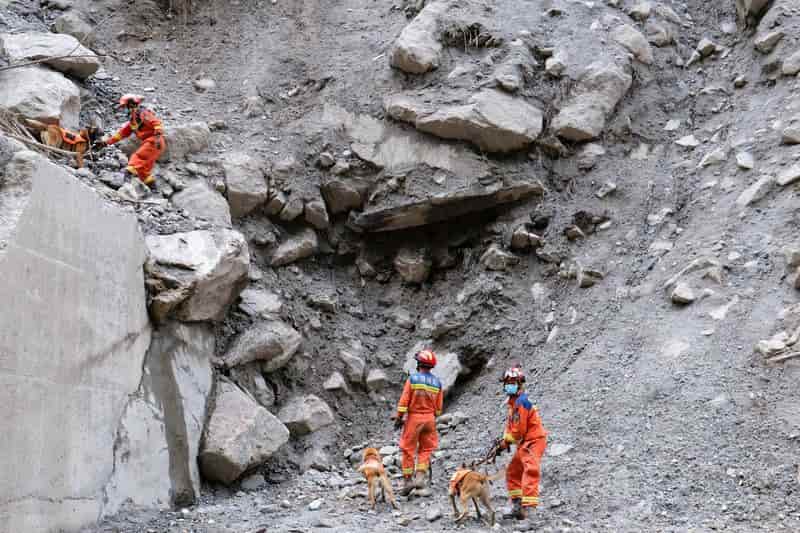
Multiple rescue teams and excavators are now carrying out intensive searches for people still missing. Crews equipped with life-detection devices and search dogs were deployed to the hardest-hit sections. China reported on Sunday that 546 people remained unaccounted for in Tibet, including 261 foreign nationals from 23 countries, while the death toll stood at 16. The death toll in Nepal crossed 1,000 on Wednesday.