Key facts
- China's NEV export tax rebates will be cut from April 2027.
- The EU will cap Chinese hybrid and plug-in hybrid car imports at 350,000 annually.
- Chinese hybrid imports to the EU are projected to reach 800,000 in 2026.
- Chinese imports represented 25% of the EU plug-in hybrid market and 14% of regular hybrids in the first six months of 2026.
- BYD Executive Vice President Stella Li cited geopolitics as the biggest obstacle to global expansion and confirmed shelving US passenger car plans.
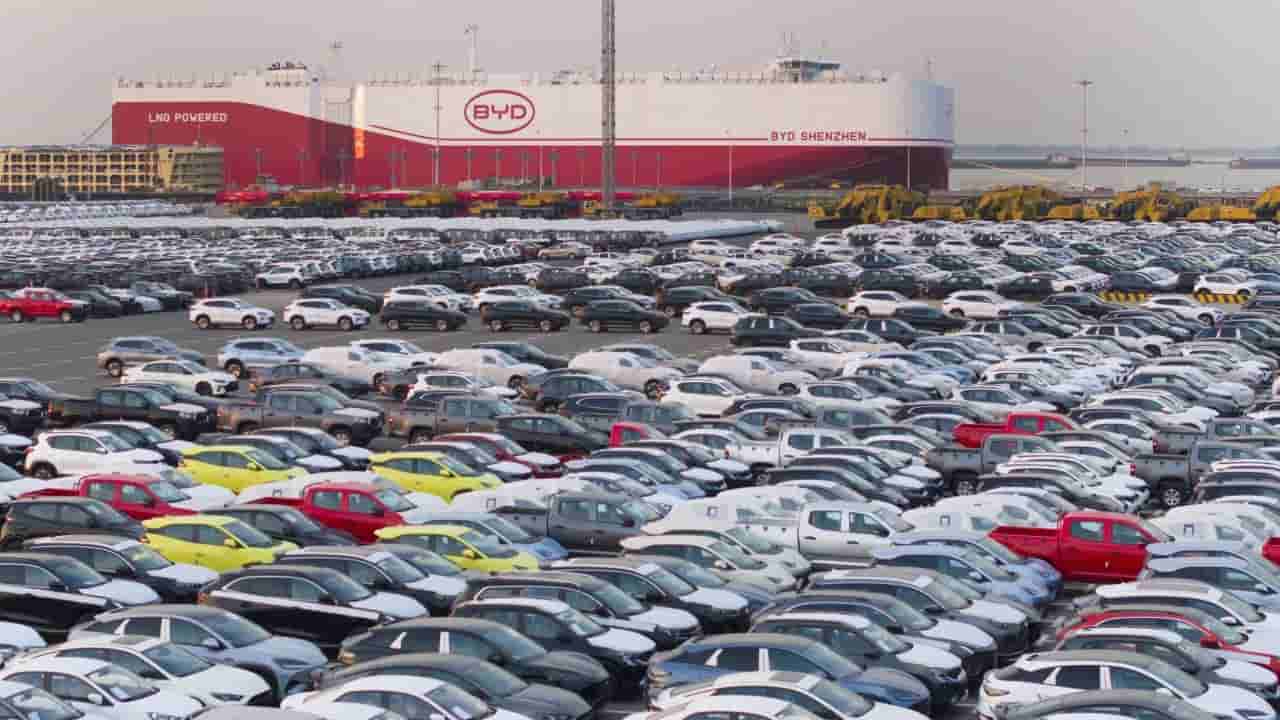
China's electric vehicle (EV) industry is facing a dual challenge from new EU import restrictions and a reduction in domestic export support, exacerbating a slump in its home market. The European Union has decided to cap imports of Chinese hybrid and plug-in hybrid cars at 350,000 units per year, a move that significantly halves the expected flow of vehicles. This quota, which will rise by 6% annually for four years, is being implemented using the World Trade Organization’s safeguard instrument. EU officials estimate this will cut imports by 500,000-700,000 vehicles in 2027 and reduce the trade deficit by €10-14 billion. Chinese hybrid imports to the EU were on course to reach 800,000 this year, a substantial increase from previous years, and represented 25% of the EU plug-in hybrid market and 14% of regular hybrids in the first half of 2026. The EU's measure exempts vehicles assembled within the EU, encouraging local production. Meanwhile, Beijing is cutting export tax rebates for new energy vehicles (NEVs) from April 2027, a move that will increase costs for Chinese automakers who are increasingly reliant on overseas sales to compensate for declining domestic demand. China's domestic car market saw its sharpest decline of the year in September, with passenger vehicle retail sales down 28%. Despite this, Chinese EV exports surged 74% in September, making up over a third of automakers' sales. Analysts suggest these combined pressures could create a critical juncture for some of China's EV manufacturers.