Key facts
- CFTC Chair Michael Selig vowed to write crypto rules if Congress fails to pass the Clarity Act.
- Selig has directed CFTC staff to explore and propose rules for digital asset markets.
- President Donald Trump urged Congress to pass a "fair version" of the Clarity Act.
- The SEC proposed Regulation Crypto Assets, a framework for crypto fundraising.
- The SEC's proposal allows certain offerings up to $5 million over four years or $75 million annually without full registration.
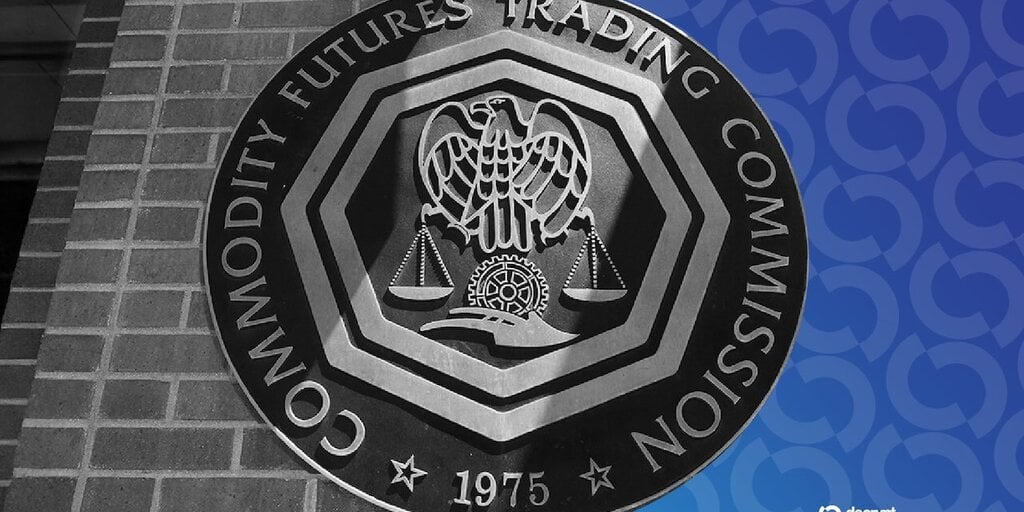
CFTC Chair Mike Selig has indicated that the agency will proceed with establishing its own regulatory framework for crypto asset markets if Congress fails to pass the Clarity Act. Selig stated that if the bill continues to stall due to "Democratic obstruction," the CFTC will utilize its existing authorities to create the necessary regime. He has already directed staff to explore rules for digital assets, with the intention of formally proposing them if legislative action does not occur.
Selig emphasized that while legislation is his preferred path for long-term stability, he is prepared to act if Congress remains gridlocked. The proposed CFTC framework could encompass existing CFTC registrants and currently unregistered crypto exchanges, potentially permitting leveraged and margined crypto trading under rules tailored for digital assets.
Meanwhile, President Donald Trump hosted crypto executives at the White House, urging them to push for a "fair version" of the bipartisan Clarity Act. Industry executives expressed optimism about the bill's prospects following the meeting. Discussions also focused on the potential economic benefits of passing the Clarity Act and addressing remaining hurdles, such as ethics provisions.
The SEC formally proposed Regulation Crypto Assets, a new framework for crypto fundraising in the U.S. The proposal would allow certain offerings of up to $5 million over four years or $75 million annually without full SEC registration and create a conditional safe harbor for crypto assets. The proposal was approved via a "seriatim" process, meaning commissioners voted individually outside a public meeting.