Key facts
- A Spanish police report alleges Morocco orchestrated the arrival of 72,000 migrants into Ceuta.
- Prime Minister Pedro Sánchez initially denied Moroccan involvement, blaming human smuggling mafias.
- Opposition parties accuse the government of lying and covering up Morocco's role.
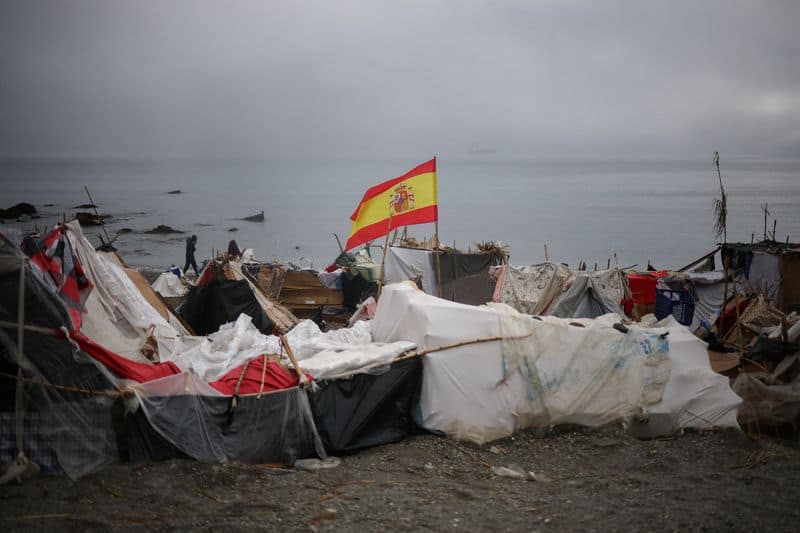
- Thousands of migrants remain in Ceuta, with protests occurring nationwide.
- The government's coalition partner has called for the Interior Minister's resignation if the report is true.
A Spanish police report alleging direct Moroccan involvement in the sudden arrival of 72,000 migrants in Ceuta has intensified political pressure on Prime Minister Pedro Sánchez. The report, commissioned by a judge and compiled by the National Center for Immigration and Borders, suggests Moroccan agents helped orchestrate the mass entry into the North African exclave.
This development directly contradicts Sánchez's earlier statements, where he described the surge as an 'attack on the territorial integrity of Spain' but insisted Rabat had no role, instead suggesting Russia, Israel, and an international far-right group were involved. Opposition leaders, including Alberto Núñez Feijóo of the People's Party, have seized on the report, accusing the government of lying and covering up the operation, and calling for snap elections.
The government's response has been cautious, with Interior Minister Fernando Grande-Marlaska denying knowledge of the report, and Justice and Presidency Minister Félix Bolaños stating it was learned through the press. This stance complicates efforts to maintain cooperation with Rabat, which is crucial for deporting unauthorized migrants and preventing future surges.
The report has transformed a scheduled parliamentary hearing into a significant political test for Sánchez. His own coalition partner, Sumar, has questioned Rabat's role, with the United Left party demanding the Interior Minister's resignation if the report's findings are proven true. The government's parliamentary allies are expected to grill Sánchez on the timeline of knowledge regarding Morocco's involvement.
Nationwide protests have underscored Sánchez's political isolation, with tens of thousands demonstrating in over 260 cities. Some Socialist mayors defied party leadership to participate, signaling Sánchez's fragile standing ahead of crucial municipal and regional elections.