Key facts
- Canada condemned Iran's "destabilizing actions in the Middle East."
- Canada will maintain "significant pressure" on Iran.
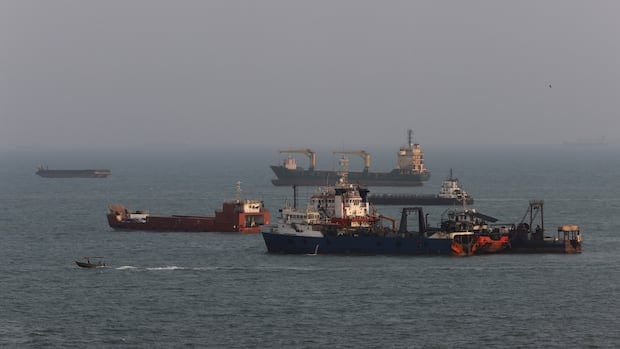
- Canada is working with G7 partners on sanctions and efforts to reopen the Strait of Hormuz.
- Since 2010, Canada has sanctioned 492 Iranian individuals and entities.
- Five senior Iranian officials were recently sanctioned for activities undermining navigation rights in the Strait of Hormuz.
Canada has strongly condemned Iran for its "destabilizing actions in the Middle East" and has committed to maintaining "significant pressure" on Tehran. In a joint statement, Canadian Foreign Minister Anita Anand and Finance Minister François-Philippe Champagne indicated that Ottawa is collaborating with international partners, including within the G7, to exert this pressure.
Key measures include supporting efforts to ensure the reopening of the Strait of Hormuz and continuing existing sanctions, such as those under the U.S.-led Operation Economic Outcast. Canada has been active in sanctioning Iranian officials and entities, having imposed sanctions on 492 individuals and entities under the Special Economic Measures Act and the Justice for Victims of Corrupt Foreign Officials Act since 2010.
More recently, Canada announced new sanctions against five senior Iranian officials, including members of the Islamic Revolutionary Guard Corps (IRGC), for their involvement in activities that obstruct navigation rights in the Strait of Hormuz. These officials were identified as Ali Abdollahi, Lt.-Col. Ebrahim Zolfaghari, Ebrahim Azizi, Shahram Irani, and Hamid Hosseini. Canada stated that freedom of navigation through the Strait of Hormuz is crucial for global trade and energy security, and that these sanctions target individuals whose actions undermine these principles.
The ministers affirmed Canada's intention to pursue additional measures in coordination with global partners to compel Tehran to cease its "malign behavior" and to advance peace and security in the region.