Key facts
- Canadians are severing everyday ties with the U.S. due to escalating trade disputes and verbal threats from President Donald Trump.
- Ottawa is moving to rename Trump Avenue, with a city councillor citing Trump's lack of honor and integrity.
- New 50% tariffs have been imposed on approximately $20 billion of Canadian imports.
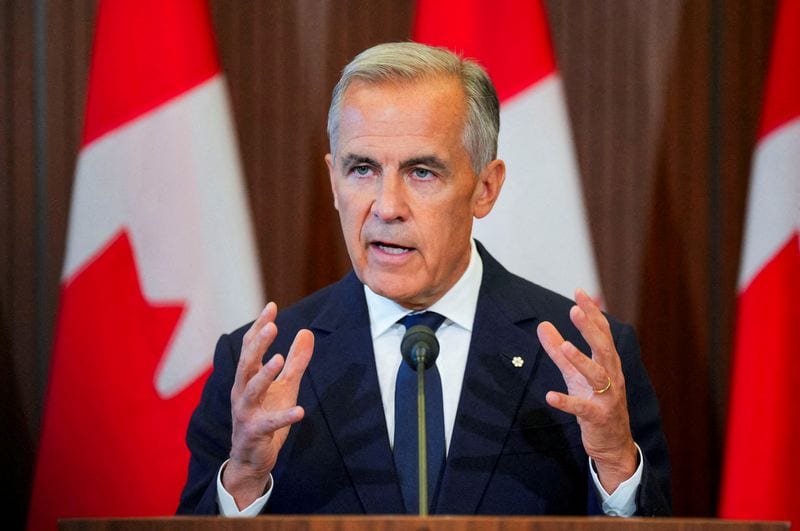
- Canadian Prime Minister Mark Carney accused Washington of making unfair last-minute changes to proposed trade terms.
- A significant majority of Canadians support suspending trade talks with the U.S., despite potential economic consequences.
- Canadian companies are pivoting away from U.S. ingredients, and Canadian travel to the U.S. has declined.
Canadians are increasingly severing everyday ties with the United States, from street names to supply chains, amid an escalating trade dispute and verbal attacks from U.S. President Donald Trump. The rift has prompted calls to rename streets, boycotts of U.S. products, and a significant decline in Canadian travel to the U.S.
U.S. Trade Representative Jamieson Greer has disputed Canadian Prime Minister Mark Carney's account of why trade talks collapsed, stating that Canada rejected what he described as "the best deal" to preserve its trade barriers. Greer indicated that new 50% tariffs on approximately $20 billion of Canadian imports have been implemented and that no further trade talks are currently scheduled.
Prime Minister Carney had previously accused Washington of making "unfair" last-minute changes to proposed terms and announced retaliatory tariffs. A recent poll indicated that over 70% of Canadians support Carney's decision to suspend trade talks, despite potential economic uncertainty.
In Ottawa, city council is moving to rename Trump Avenue, a street named after the U.S. President, due to his actions and rhetoric. Residents expressed embarrassment and frustration with the street's name amid the worsening trade war.
Companies like Chapman's Ice Cream are actively reducing their reliance on U.S. ingredients, sourcing from countries like Australia and Chile. Travel agents report a significant shift in Canadian bookings away from the U.S. towards domestic or European destinations.