Key facts
- English mayors will gain powers to borrow and share in income tax and business rates revenue.
- The reforms aim to decentralize power from London and provide local leaders with funding certainty.
- Prime Minister Andy Burnham stated that more taxes raised locally will remain within the community.
- The exact share of tax revenue for mayors has not yet been determined.
- Conservative critics argue the plan is 'top-down', lacks detail, and may not introduce new funding.
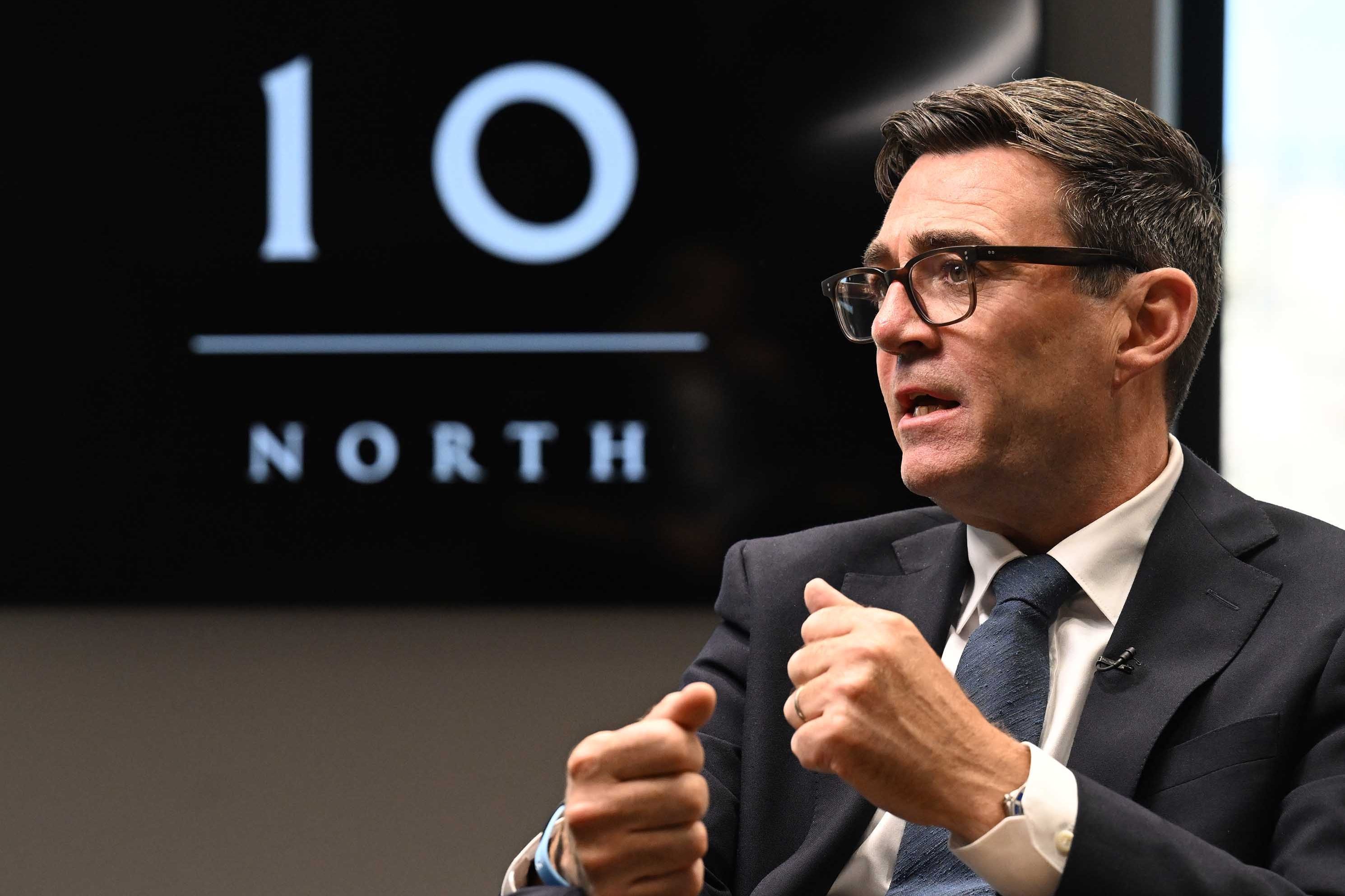
Prime Minister Andy Burnham has unveiled plans to grant English mayors greater control over local finances, including a share of income tax and business rates, aiming to decentralize power from Westminster. Burnham stated that more taxes raised within a community would remain there, enabling local leaders to invest in public transport, housing, and job creation. This initiative, set to begin with business rates retention in April 2027 and income tax share in April 2028, seeks to replace central government grants with locally generated revenues. The UK currently collects a significantly lower proportion of national taxes locally compared to countries like France, Japan, and the US.
However, the proposals have faced criticism from the Conservative party. Shadow local government secretary Sir James Cleverly accused Burnham of imposing a 'top-down Manchesterism' that could lead to higher taxes without guaranteed better outcomes, and that it sidelines local councils. Shadow chancellor Sir Mel Stride questioned the announcement's substance, suggesting no new money was involved unless taxes were raised elsewhere or cuts made. Critics also raised concerns about power being concentrated in regional bodies rather than local councils and the potential for areas with weaker economies to lose out.