Key facts
- The U.S. conducted strikes on Iranian coastal defenses and missile sites, escalating tensions.
- An oil tanker was hit, raising concerns about potential supply disruptions.
- Iran threatened to expand its threats beyond the Strait of Hormuz.
- Oil prices eased after reaching near one-month highs.
- Crude inventories fell by 1.7 million barrels in the week to July 10.
Oil prices eased as traders took profits while assessing risks from new U.S. strikes on Iranian military installations that stoked fears of renewed conflict and supply disruptions. Brent crude futures slipped 0.52% to $84.51 a barrel while U.S. West Texas Intermediate futures were down 0.29% to $79.37 a barrel.
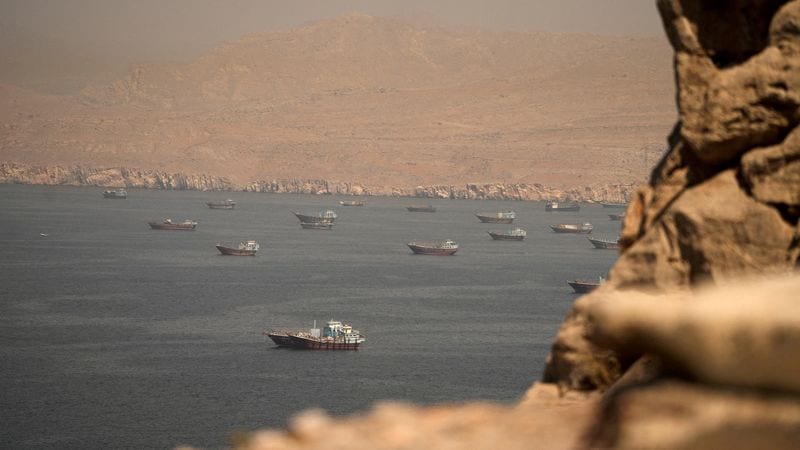
The U.S. struck Iran's coastal defenses and missile sites, escalating tensions. An oil tanker was hit amid the conflict, raising concerns about supply disruptions, and Iran has threatened to expand its threats beyond the Strait of Hormuz, calling it an 'existential war' with America.
Analysts noted that escalating tensions in the Middle East were driving buying interest, contributing to prices reaching near one-month highs. Concerns over supply disruptions in the Strait of Hormuz, which handles approximately one-fifth of global oil and LNG trade, have contributed to the price increase. Hostilities between Iran and the U.S. reignited last week, following a fragile truce. Analysts suggest Iran may leverage its Houthi allies to target the Bab el-Mandeb gateway to the Red Sea, potentially impacting another vital energy artery.
Goldman Sachs offered varied price outlooks, suggesting Brent could exceed $110 in the fourth quarter if Gulf export recovery stalls, but could fall into the $60s by year-end if tensions ease. Separately, the U.S. Energy Information Administration reported a 1.7 million-barrel decrease in crude inventories for the week ending July 10.