Key facts
- Brazilian sugar mills will prioritize weather over market prices for production decisions.
- Wet conditions in center-south Brazil, linked to El Nino, are limiting sugar production.
- Mills are expected to continue favoring ethanol production over sugar.
- Sugar futures gained over 21% in August.
- StoneX lowered its expectation for sugar production in CS Brazil to below 40 million metric tons.
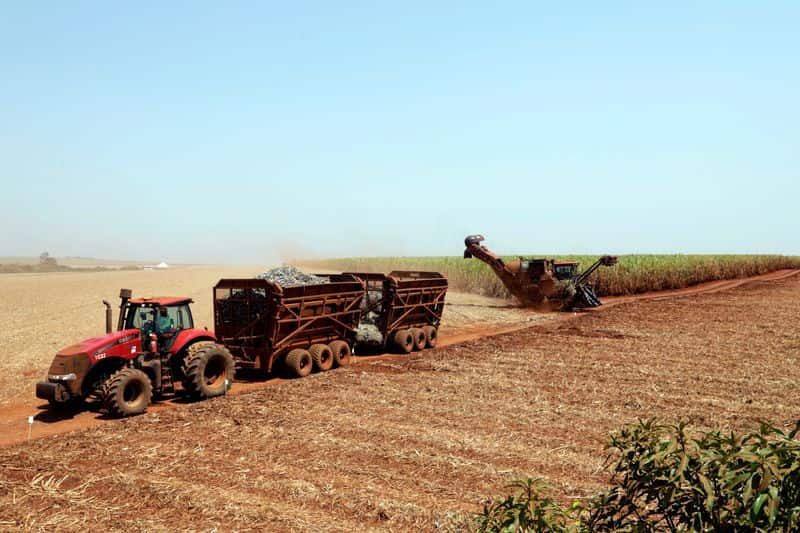
Sugarcane processors in Brazil, the world's largest producer of sugar and second largest of ethanol, will focus on weather patterns over market prices to guide their production decisions through the end of the harvest in December. Wet conditions, characteristic of strong El Nino events, are expected to prevent mills from significantly boosting sugar production, even after raw sugar prices gained more than 21% last month. Analysts and traders told Reuters that the high moisture content in the harvested cane makes it better suited for ethanol production. This humidity boosts vegetation growth, reducing sugar concentration but not impacting its suitability as fuel. Marcelo Bonifacio Filho, sugar analyst for broker StoneX, stated that the focus is now on climate rather than market prices for determining the production mix in the final stages of the crop. Parts of Brazil's sugar belt experienced their wettest winter in over 100 years, according to the University of Sao Paulo, which has already caused delays in the harvest. The global sugar market closely monitors Brazil's production mix, as each 1 percentage point shift towards sugar production equates to approximately 750,000 additional tons of sugar. For most of the year, the current crop has seen a stronger ethanol mix, influenced by high energy prices and previously lower sugar prices, with mills using only 42.5% of cane for sugar by early July. Despite the 21% jump in sugar futures in August, largely attributed to El Nino, making sugar more profitable, Fabio Meneghin, a partner at Veeries consultancy, noted that the sugar mix is not increasing due to weather constraints. Trader GSX Commodities commented that the current sugar price rally could be capped if Brazilian mills increase the sugar mix, but if wet conditions prevent harvesting all available cane, sugar prices could rise further. StoneX has already reduced its expectation for sugar production in CS Brazil to below 40 million metric tons, with a possibility of the total output not surpassing 38 million tons. Senior sugar analyst Michael McDougall indicated that further downgrades could occur due to anticipated heavy rains in early October.