Key facts
- Bond market turmoil is increasing calls for an imminent stock market correction.
Wall Street analysts are warning that the deepening sell-off in the bond market could soon drag down stocks. Treasury yields have spiked to multi-decade highs, driven by a combination of macroeconomic, fiscal, and geopolitical concerns. Investors fear this volatility will inevitably spread to the equity markets.
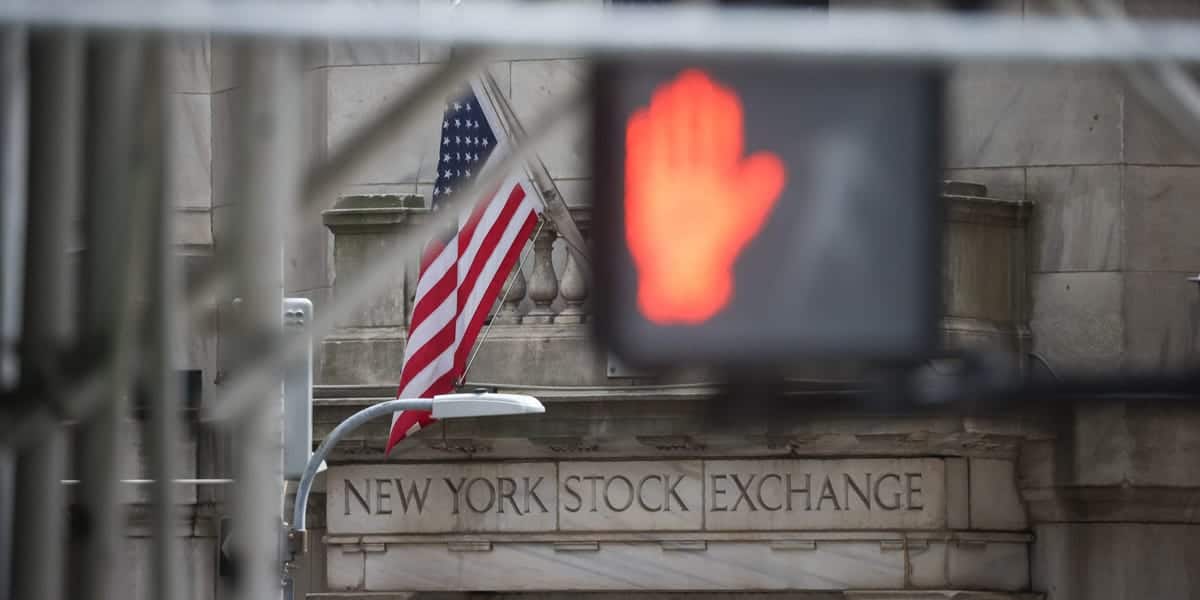
The escalating turmoil in the bond market, marked by soaring Treasury yields, is increasing the risk of a significant downturn in equities as higher borrowing costs and attractive 'risk-free' returns pressure stock valuations.
The bond market's significant sell-off this week has prompted warnings from Wall Street analysts about an impending stock market correction. Treasury yields have surged to levels not seen in decades, driven by a confluence of macroeconomic, fiscal, and geopolitical factors. This bond market volatility is seen as a potential precursor to broader equity market declines.
Analysts point out that rising yields increase borrowing costs across various consumer and business loans, including mortgages, credit cards, and auto loans. Furthermore, higher yields on government bonds offer a more attractive 'risk-free' return, potentially drawing capital away from riskier equity investments. The average rate for a 30-year mortgage has already surpassed 7% for the first time in two years.
Steve Eisman, a prominent trader, stated that a market correction appears imminent unless yields quickly fall below 5%. He noted that higher rates exacerbate the deficit, harm the housing market, and negatively impact the AI sector, which has seen significant leverage. Concerns also exist that higher yields on Treasurys could force tech companies to offer more attractive terms for debt financing their AI initiatives, potentially skewing the economics of these projects.
Farzin Azarm of Mizuho Securities also highlighted the risk of a "serious correction," citing bond market volatility as a key factor. Jim Paulsen, a strategist, indicated that tighter financial conditions are likely to lead to weaker economic growth, increased recession fears, and a more challenging stock market environment in the coming months, though he does not anticipate an actual recession. Economist Henrik Zeberg suggested that the end of the AI bull market is approaching, drawing parallels to 2007 and anticipating a potential "Blow-Off Top" in markets followed by a double-digit decline in tech stocks.
Pick the topics you care about. Get only what matters, on your cadence.