Key facts
- Two hawkish Bank of Japan board members are pushing for accelerated interest rate hikes.
- At least three of the nine board members believe the BOJ should increase rates faster than the current trajectory.
- Inflation risks are mounting due to a weak yen, elevated energy costs, and surging AI demand.
- Market expectations for a September rate hike have increased significantly.
- BOJ Governor Kazuo Ueda indicated a possibility of accelerating rate hikes if financial conditions remain accommodative.
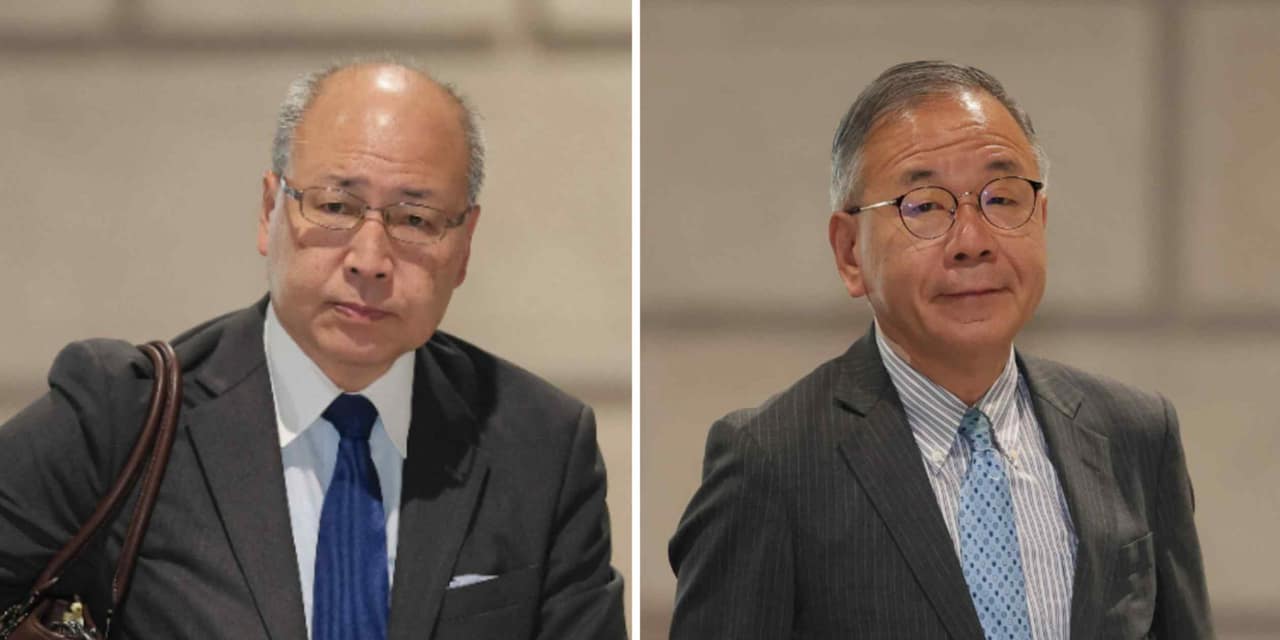
Two hawkish members of the Bank of Japan's monetary policy board are intensifying their calls for accelerated interest rate hikes, aiming to curb inflation before their terms conclude next July. A summary of opinions from the BOJ's July policy meeting revealed that at least three of the nine board members advocated for a faster pace of rate increases than the current trajectory of approximately two hikes per year.
One member warned that the risk of delaying action was significant and urged the bank to "accelerate the pace of adjustment to the degree of monetary accommodation." This hawkish sentiment has boosted market expectations for a potential rate hike as early as September, with odds rising to about two-in-three from around 30% in late July.
Governor Kazuo Ueda has echoed this sentiment, stating that the BOJ could accelerate its rate hike pace if financial conditions remain accommodative. Several members emphasized the need for a flexible approach, moving away from a predetermined schedule and demonstrating a commitment to preventing inflation from overshooting the 2% target.
The growing concern within the BOJ is driven by several factors, including the weak yen, which has reached a 40-year low against the dollar, amplifying import costs. Elevated oil prices, influenced by Middle East tensions, and surging global demand for artificial intelligence are also contributing to inflationary pressures across various sectors.
Despite the hawkish calls, the BOJ faces political pressure from Prime Minister Sanae Takaichi's administration, which is reportedly concerned about rising bond yields and has urged the central bank to support the government bond market. The 10-year Japanese government bond yield has approached 3%, a level that analysts suggest could prompt intervention.