Key facts
- Approximately 150 workers are on strike at BHP's Port Hedland iron ore operations.
- This is the first major industrial action at the iron-ore export hub in over two decades.
- The strike involves a 24-hour stoppage and a ship-loading ban.
- Negotiations for a new four-year bargaining agreement are scheduled to resume on August 18.
- The strike could cost BHP $100 million in revenue and the West Australian government $7 million in royalties.
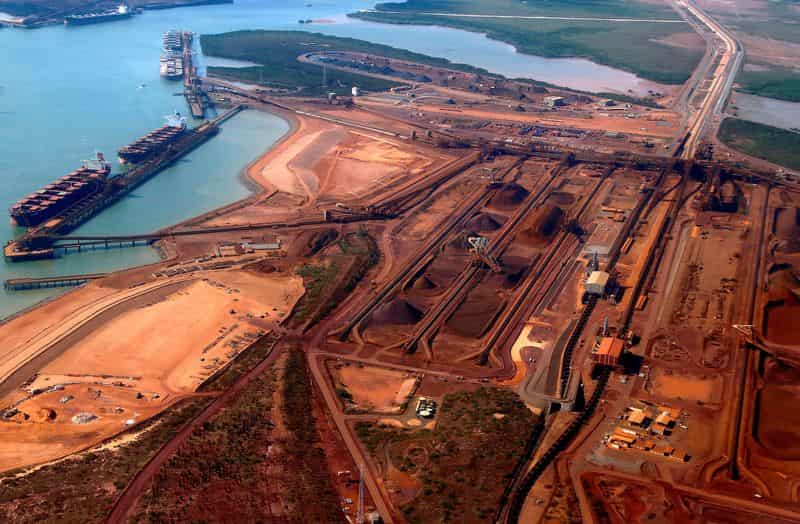
Approximately 150 workers are on strike at BHP's Port Hedland operations in Western Australia, marking the first significant industrial action at the world's largest iron ore export hub in over two decades. The strike, involving members of three unions, includes a 24-hour stoppage and a ship-loading ban. Negotiations for a new four-year bargaining agreement between the unions and BHP are ongoing, with further talks scheduled for August 18. The action is not anticipated to impact rival miners Fortescue and Hancock Prospecting, which also utilize Port Hedland. The port accounts for 75% of iron ore exports from Western Australia's Pilbara region. Industry estimates suggest the strike could result in a $100 million revenue loss for BHP and $7 million in royalties for the West Australian government. The unions involved are the Electrical Trades Union, the Australian Manufacturing Worker's Union, and the Western Mine Worker's Alliance, a partnership between the Australian Worker's Union and the Mining and Energy Union. This is the first strike of its kind at the port since 2000.