Key facts
- Berbera port in Somaliland is a key location in the geopolitical struggle for the Red Sea.
- DP World's $45 million investment in 2016 transformed the port and created 1,350 jobs.
- The UAE established a military base at Berbera in 2017 and is expanding its presence.
- Somaliland, a breakaway republic, gained recognition from Israel in January 2026.
- The port's strategic location makes it an 18-day sailing from China.
- Houthi attacks have disrupted traditional shipping routes, potentially benefiting Berbera.
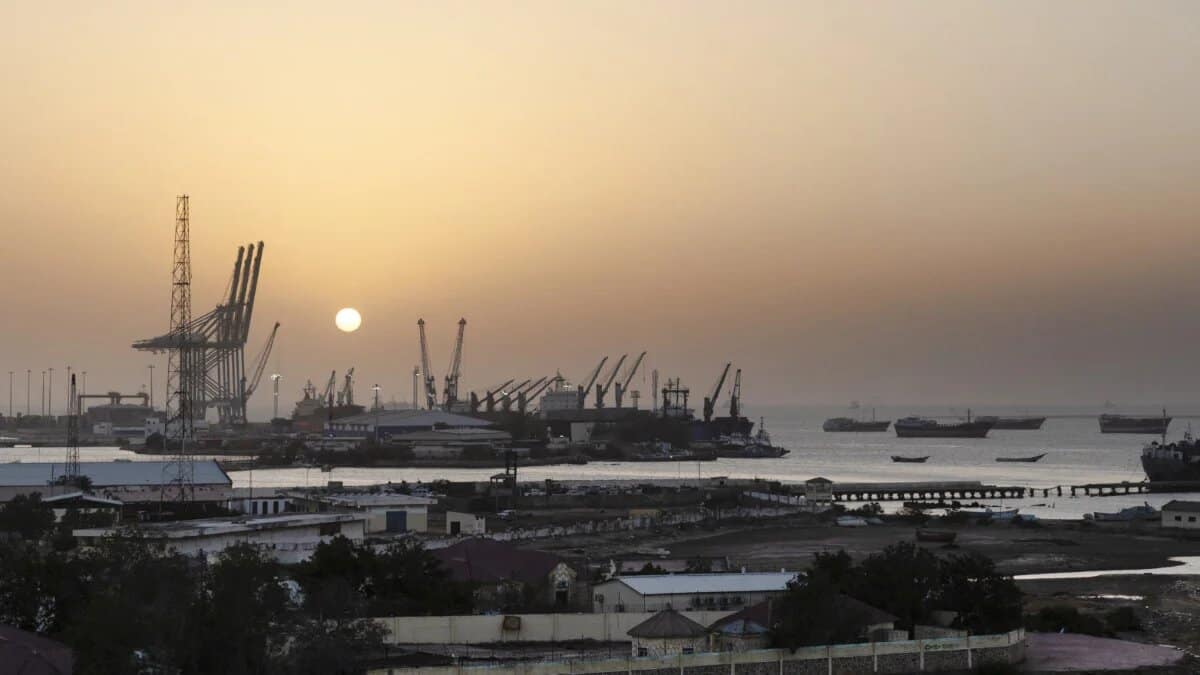
Berbera port, historically a vital trading hub, is now at the center of a geopolitical struggle for control of the Red Sea. The port, located in the self-declared republic of Somaliland, has seen significant investment from UAE's DP World, transforming its infrastructure and creating jobs.
DP World's commercial director for the Horn of Africa, Jama Mohamed Ahmed, highlighted the port's historical significance, dating back to the 1st century, and its modern transformation. The company's $45 million investment in 2016 revitalized the decaying port, which now employs 1,350 people. Ahmed noted that Somalis trained by DP World in Berbera are now working at other DP World-managed berths, signifying an "export of knowledge."
The UAE's involvement extends beyond commercial interests, with the establishment of a military base at Berbera in 2017. Recent satellite imagery indicates an expansion of this military presence, including surface-to-air-missile sites and hangars, alongside the construction of a naval facility. This strategic expansion by the UAE is seen as filling a void left by other global powers in East Africa.
Somaliland itself declared independence in 1991 after a war with Somalia and, until a diplomatic deal in January 2026, remained largely unrecognized internationally, with Israel being a notable exception. The UAE's willingness to invest has given it significant influence in the region.
The port's strategic location, just 18 sailing days from China, positions it as a potential alternative trade corridor amidst the disruptions caused by Houthi attacks in the Red Sea. The vulnerability of Persian Gulf shipping routes has led some businessmen to believe that cargo will increasingly divert to Red Sea ports like Berbera.
Historically, Berbera was a key entrepôt documented in the Periplus of the Erythraean Sea, trading goods like copper, cloth, and frankincense. The region's history also includes British colonial influence, with the famed Camel Corps administering tribal law. The union of Somaliland and Somalia in 1960, followed by conflict and Somaliland's subsequent declaration of independence, shapes the current political landscape.