Key facts
- July's Consumer Price Index report indicated a modest easing of inflation.
- Core inflation, excluding food and energy, rose 0.2% month-over-month and 2.5% year-over-year in July.
- This pace suggests inflation could eventually return to the Federal Reserve's 2% target.
- The Federal Reserve's preferred inflation measure, the PCE index, stood at 3.7% in June.
- Some Federal Reserve officials advocate for immediate rate hikes, while others believe inflation will ease naturally.
- The labor market shows signs of slowing momentum, despite a slight decrease in the unemployment rate.
New inflation data indicating a modest easing of price pressures in July has provided the Federal Reserve with some breathing room as it contemplates a potential interest rate increase at its upcoming policy meeting. The latest Consumer Price Index (CPI) report, released by the Bureau of Labor Statistics, showed that core prices, which exclude volatile food and energy components, rose 0.2% from the previous month and 2.5% compared to the same time last year. This pace is seen by some officials as consistent with inflation eventually returning to the Fed's 2% target, a goal that has been missed for five years. The central bank's preferred inflation gauge, the personal consumption expenditures (PCE) price index, was running at 3.7% as of June.
Despite the reprieve, the debate over raising interest rates continues within the Federal Reserve. A segment of policymakers believes the central bank should have already increased rates to accelerate inflation's decline, arguing against the view that price pressures would ease on their own. Former Fed economist Riccardo Trezzi noted that the debate between hiking or not hiking rates is likely to persist, highlighting the complexity of the current economic situation and the difficulty in assessing whether current rates are sufficiently pressuring inflation downwards. The labor market also presents a complex picture, with signs of slowing momentum despite a slight decrease in the unemployment rate, and weak wage growth.
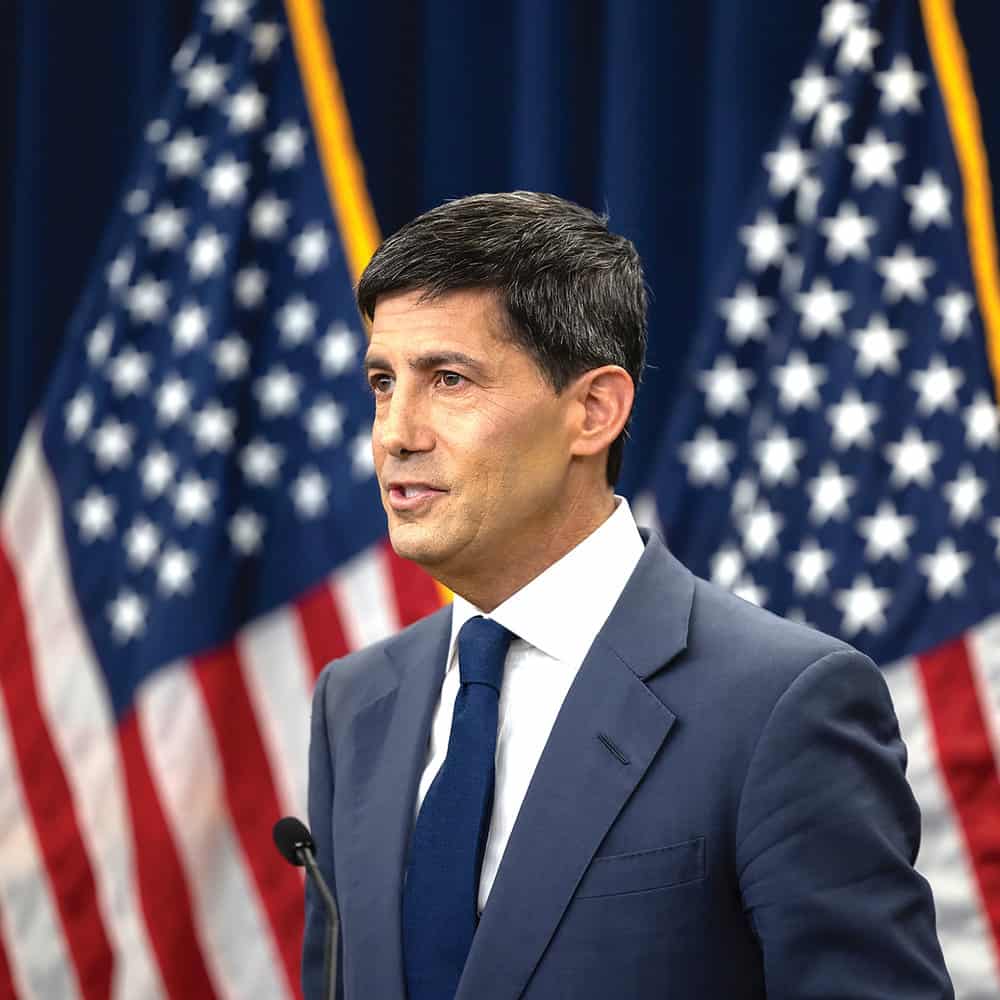
Federal Reserve Chair Kevin Warsh has conveyed mixed signals regarding the path forward. Following the most recent policy meeting where rates were held steady, Warsh did not clearly articulate the rationale for maintaining the current rate or unequivocally state that higher rates are the primary tool for inflation reduction. His emphasis on tightened financial conditions in the absence of rate hikes has added to the uncertainty surrounding the Fed's next moves.