Key facts
- The Bank of Mexico kept its benchmark interest rate unchanged at 6.50%.
- This marks the third consecutive meeting the rate has been held steady.
- Future rate decisions will consider the ongoing disinflation process.
- Risks to inflation include energy costs, weather-related food disruptions, and elevated inflation expectations.
- A prolonged pause in rate cuts could keep financing costs high for businesses and the government.
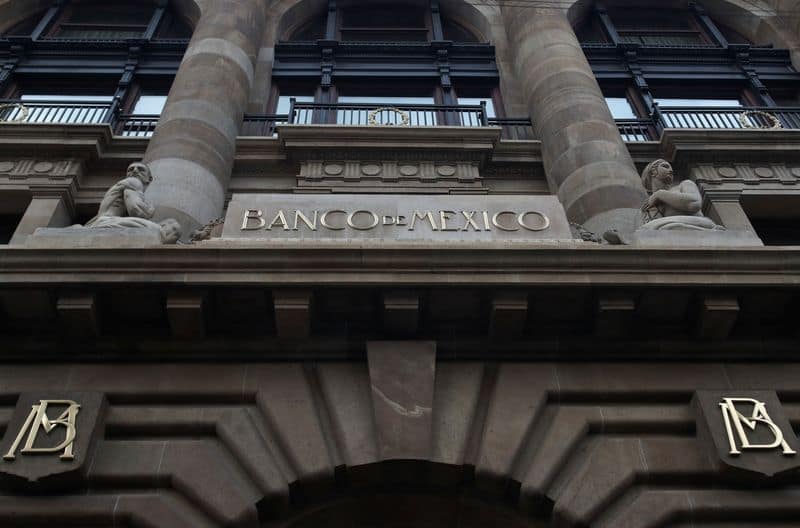
The Bank of Mexico maintained its benchmark interest rate at 6.50% on Thursday for the third consecutive meeting, a decision widely expected by economists. The central bank's five-member board voted unanimously to hold rates steady, underscoring that future monetary policy decisions will take into account the ongoing disinflation process. J.P. Morgan anticipates that Banxico's forward guidance will become gradually more cautious due to risks from energy costs, weather-related food price volatility, and elevated inflation expectations. The bank's current rate is considered close to neutral, offering flexibility to either tighten or ease policy depending on economic conditions. Mexico's economic growth has been uneven, expanding 1.4% in the second quarter after contracting in the first, but the rebound has not generated sufficient demand to drive prices higher. Inflation risks are primarily seen as external, stemming from global commodity markets. J.P. Morgan has lowered its 2026 inflation forecast to 3.7% but maintained its 2027 estimate at 3.9%, which is nearly a full percentage point above Banxico's 3% target. The US Federal Reserve's recent rate hike to a range of 3.75% to 4% has narrowed the yield gap between US and Mexican rates to approximately 250 basis points.