Key facts
- The Bank of Korea signaled a need for continued monetary tightening.
- High inflation and expected economic growth are key drivers for the BOK's stance.
- South Korean business sentiment improved in July, boosted by semiconductor exports.
The Bank of Korea indicated a need for continued monetary tightening due to high inflation and expected economic growth. This comes as the U.S. Federal Reserve's decision to hold rates steady has heightened uncertainty over U.S. monetary policy.
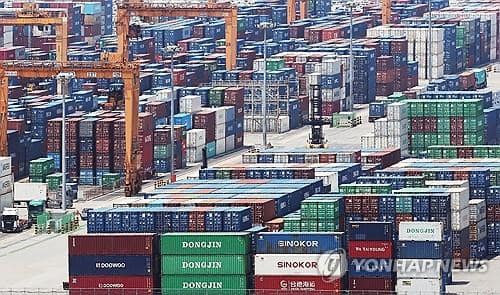
The Bank of Korea's commitment to continued tightening, despite global monetary policy uncertainties, suggests a focus on domestic inflation control. This could impact South Korea's economic growth trajectory and financial market stability.
The Bank of Korea (BOK) has signaled its intention to continue monetary tightening, citing persistent inflation and anticipated economic growth. This stance comes as the U.S. Federal Reserve's recent decision to maintain its benchmark interest rate at 3.5-3.75 percent has amplified uncertainty regarding future U.S. monetary policy and inflation outlooks.
South Korea's business sentiment saw an improvement in July, largely attributed to increased confidence among manufacturers benefiting from robust semiconductor exports. However, the BOK noted that renewed Middle East tensions and investor anxiety over artificial intelligence investments are posing risks to financial markets.
During a market situation meeting, BOK Deputy Governor Park Jong-woo commented on the Fed's decision, highlighting that the lack of clear guidance from Fed Chair Jerome Powell, who reaffirmed commitment to price stability, led markets to perceive increased uncertainty. This sentiment contributed to a sharp rise in long-term interest rates.
The BOK stated it will continue to closely monitor both domestic and external risk factors and their potential impact on South Korea's financial markets and economy.
Pick the topics you care about. Get only what matters, on your cadence.