
Key facts
- Bank of Canada Governor Tiff Macklem stated interest rates cannot fix housing affordability.
- Macklem cited a shortage of housing supply as the main cause of affordability issues.
- Low COVID-19 era interest rates fueled past home price increases.
- Shelter inflation remains a key driver of overall inflation.
- Housing affordability is at or near worst-ever levels in many Canadian markets.
- The Bank of Canada cut its key interest rate to 2.5% on September 17.
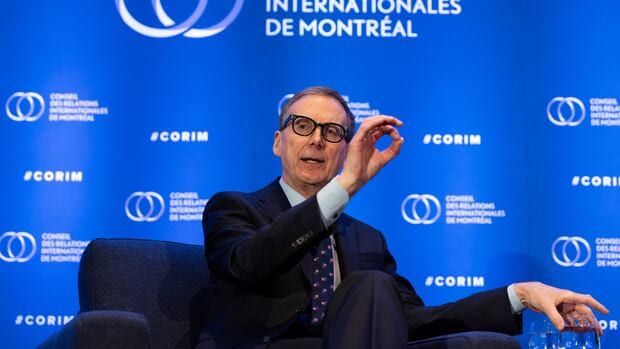
Bank of Canada Governor Tiff Macklem has stated that lowering interest rates will not solve Canada's housing affordability crisis, emphasizing that the core issue is a persistent shortage of housing supply. Macklem made these remarks during a speech in Montreal on Tuesday, addressing a growing chorus calling for rate cuts to ease affordability pressures.
Macklem explained that monetary policy is ill-equipped to address factors such as zoning restrictions, lengthy approval processes, and shortages of skilled workers, which he identified as the primary drivers of the supply deficit. He acknowledged that the central bank's emergency low interest rates during the COVID-19 pandemic did contribute to the subsequent run-up in home prices. Research indicates that "shelter inflation" continues to be the most significant factor in year-over-year price growth.
Canada's real estate market has experienced substantial price increases, with home prices up over 35% in four years, mortgage interest costs up 30.9% year-over-year, and record-high rental prices. RBC Economics reported that housing affordability is at or near its worst levels ever in many markets, with only 45% of households able to afford a condo apartment in 2023, down from 60% in 2019. The Canadian Home Builders' Association has also noted a two-year decline in housing starts.
In a separate development, the Bank of Canada reduced its key interest rate by 0.25 percentage points to 2.5% on September 17. This move, mirroring a similar action by the U.S. Federal Reserve, is hoped to stimulate the country's sluggish housing market, which has seen sales and prices tempered after a pandemic-era buying frenzy. Mortgage brokers have observed buyer hesitancy due to economic anxieties and trade tariff uncertainties.