Key facts
- Kemi Badenoch proposed cutting housing and child benefits to fund a £10bn annual increase in defence spending.
- The plan includes undoing the two-child benefit cap and scrapping the Chagos Islands handover.
- Funding would also be diverted from the British Business Bank, National Wealth Fund, and R&D initiatives.
- Housing benefit reforms could contribute an additional £4bn to the defence budget.
- The proposal aims to increase defence spending to 3% of GDP and reduce the national deficit.
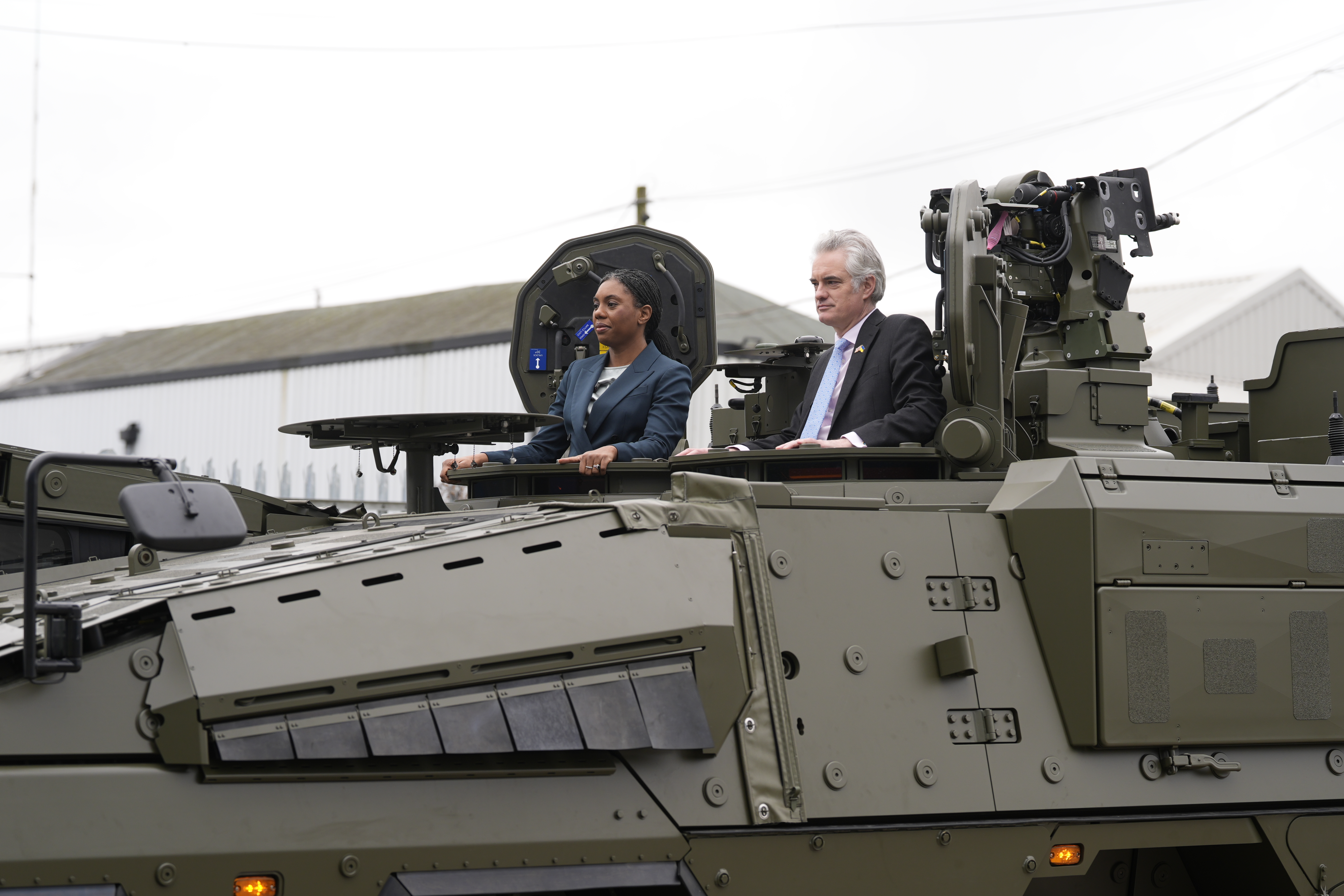
Kemi Badenoch has proposed a significant shift in government spending priorities, advocating for cuts to welfare benefits and a reallocation of public investment to fund an annual £10bn boost for defence spending. The Conservative leader suggested that housing benefits, child benefits, and funding for initiatives like the British Business Bank and the National Wealth Fund should be reduced to meet defence targets.
Badenoch's plan includes reversing the two-child benefit cap, which costs approximately £3bn annually, and ending the Chagos Islands handover, expected to save around £200m per year. She also indicated that pulling back funding from the British Business Bank, the National Wealth Fund, and a research and development fund could contribute nearly £8bn to the defence budget. Furthermore, reforms to housing benefits could potentially save another £4bn.
The proposal aims not only to increase military expenditure but also to reduce the national deficit. Badenoch's call comes as Chancellor John Healey faces pressure from within his own party, including from defence committee chair Tan Dhesi, to commit to raising defence spending to three per cent of GDP by 2030. Healey himself had previously resigned from his role as defence secretary over the government's failure to commit to this increase.
Shadow defence secretary James Cartlidge echoed concerns about national security, stating that further delays in defence funding pose a greater risk. He emphasized the Conservative commitment to cutting the welfare bill and investing an extra £10bn annually in the armed forces to meet NATO commitments and ensure national safety.
In response to these proposals, the government has stated its intention to set out a plan to raise defence spending to 3.5 per cent of GDP in the upcoming Spending Review. Andy Burnham also indicated that he had made a commitment regarding defence spending.