Key facts
- Australia's central bank raised interest rates to 4.6% on Tuesday, the highest level in 15 years.
- This marks the fourth interest rate hike by the RBA this year.
- The increase adds over $90 a month to repayments on a typical $600,000 mortgage.
- Australia's official interest rate now surpasses those of the US (4%) and UK (3.75%).
- The last time Australia's cash rate was above 4.5% was October 2011.
- The total value of residential mortgages has more than doubled since 2011, reaching $2.51 trillion.
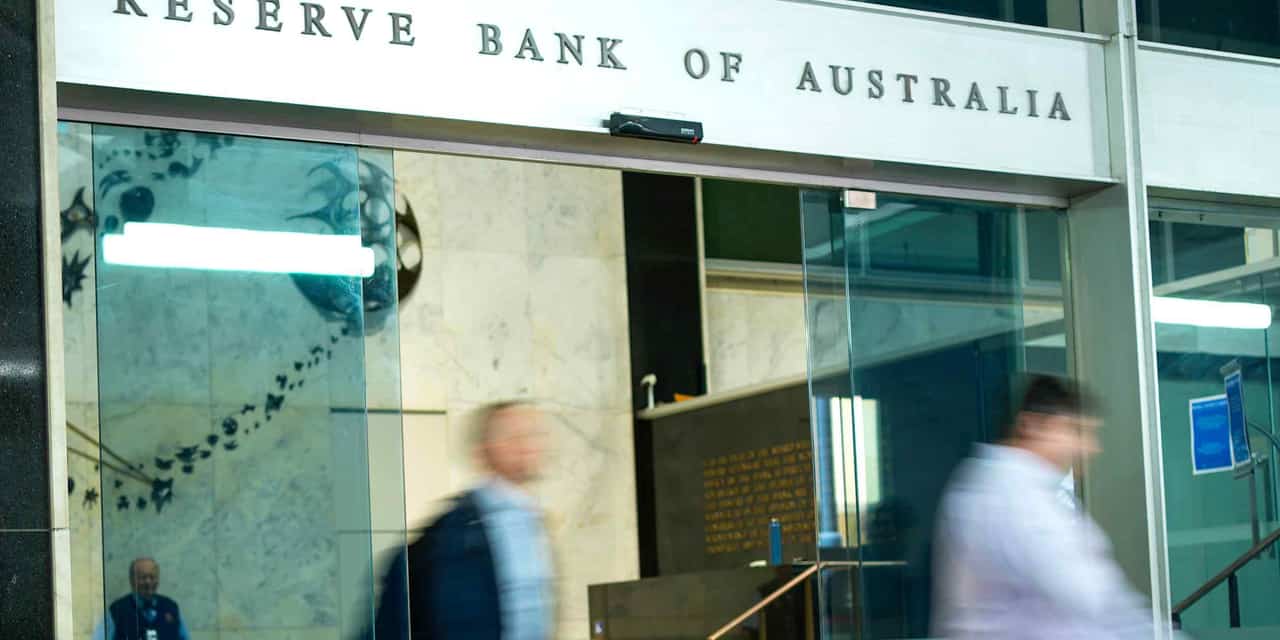
CANBERRA -- Australia's central bank raised interest rates on Tuesday to the highest level in 15 years as the country battles inflation compounded by global price shocks. The Reserve Bank of Australia's monetary policy board increased its benchmark cash rate by 0.25 of a percentage point to 4.6%. This marks the fourth rate hike this year and places Australia's official interest rate among the highest in Western economies, surpassing the US and UK. The last time Australia's cash rate was above 4.5% was October 2011, though the total value of outstanding mortgage debt has more than doubled since then to $2.51 trillion.
Price pressures have been stoked by elevated fuel prices caused by the Middle East conflict, which has disrupted global oil supplies. Average petrol prices in Australia have risen well above the $2-a-litre mark in the past month. The RBA's decision follows a volatile period in international bond markets as global interest rates climb amid concerns about higher inflation and geopolitical risk. Australia's inflation rate is currently 3.5%, above the RBA's target band of 2% to 3%.
Reserve Bank officials have expressed concern that expectations of elevated inflation are becoming entrenched. Last month, the unemployment rate reached 4.6%, the highest in nearly five years, but this deterioration was not enough to deter the RBA from raising rates. Governor Michele Bullock warned last week that the jobless rate may need to rise as high as 5% to ease inflationary pressure. Higher interest rates will impact a housing market already weakened by borrowing costs and federal tax changes, with house values falling for five consecutive months.