Key facts
- Australia will stop international students from bringing family members.
- Working holiday visa rules will be tightened.
- The government aims to reduce net overseas migration to 225,000 by 2028.
- The changes are intended to address housing and infrastructure strains.
- PhD students will be exempt from the family member restriction.
- British working holidaymakers are exempt from the new rules.
Australia is implementing significant changes to its migration program, including barring international students from bringing family members and tightening rules for working holiday visas. These measures are part of a broader strategy to reduce net overseas migration to 225,000 by 2028, a target set to address mounting pressure on the nation's housing and infrastructure.
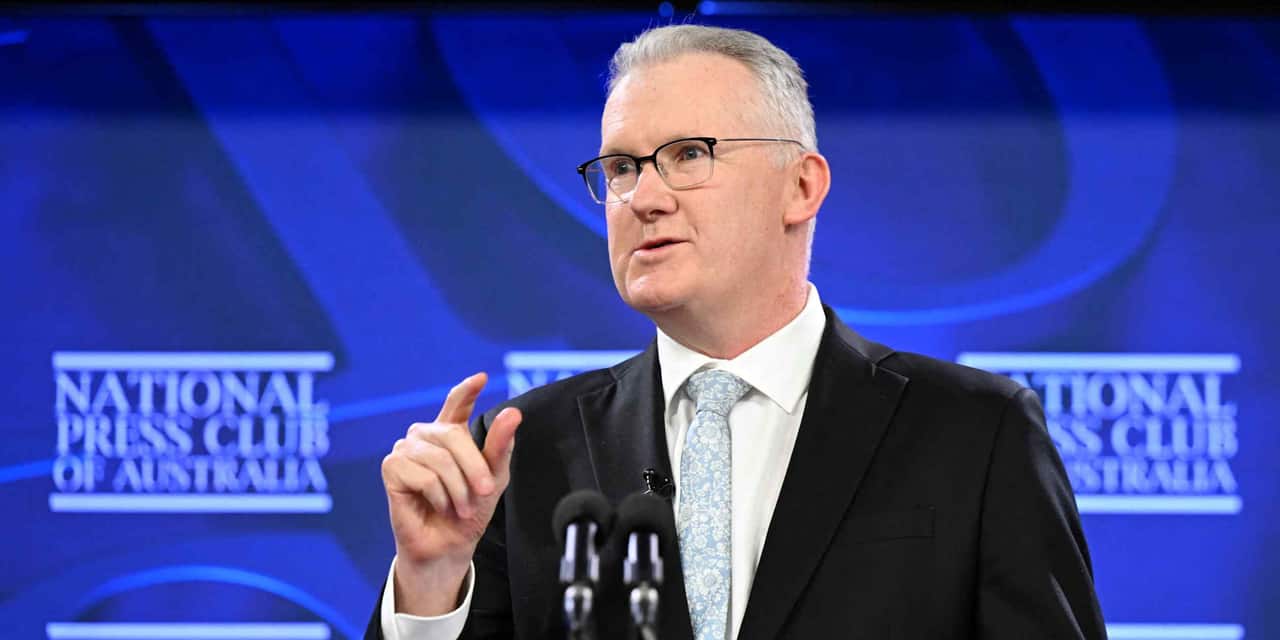
Home Affairs Minister Tony Burke announced the overhaul, emphasizing the need for "high level of control" over migration, despite acknowledging its role as a "strength" for Australia. The changes aim to curb "visa hopping," where students switch to lower qualification courses, and will require students seeking to extend their stay to pursue higher qualifications. Exemptions will apply to existing students, applicants from Pacific and Southeast Asian countries, and PhD students, who are considered to be in different life circumstances.
The working holiday visa program, crucial for sectors like agriculture, will also see stricter rules. A ballot system will be introduced with caps of 45,000 for second-year extensions and 5,000 for third-year extensions, a significant reduction from previous years. Notably, British working holidaymakers will be unaffected due to a free trade agreement.
These policy shifts come amid rising living costs and housing affordability concerns, with the populist One Nation party advocating for even more drastic cuts to temporary migration. The government's net overseas migration target of 225,000 for the next financial year follows a net migration of 292,100 in the 12 months to March 2026, during which Australia's population grew by 1.4% to 27.9 million.