Key facts
- Australia will not buy Russian fuel, maintaining its ban on imports.
- Energy Minister Chris Bowen said Russia should not be rewarded for its invasion of Ukraine.
- US President Donald Trump announced a deal with Russia to supply diesel to global markets.
- Trump stated Russia would supply 300,000 tons of diesel immediately, with more to follow.
- Ukraine's President Zelenskyy criticized the deal, saying it benefits Russia's war.
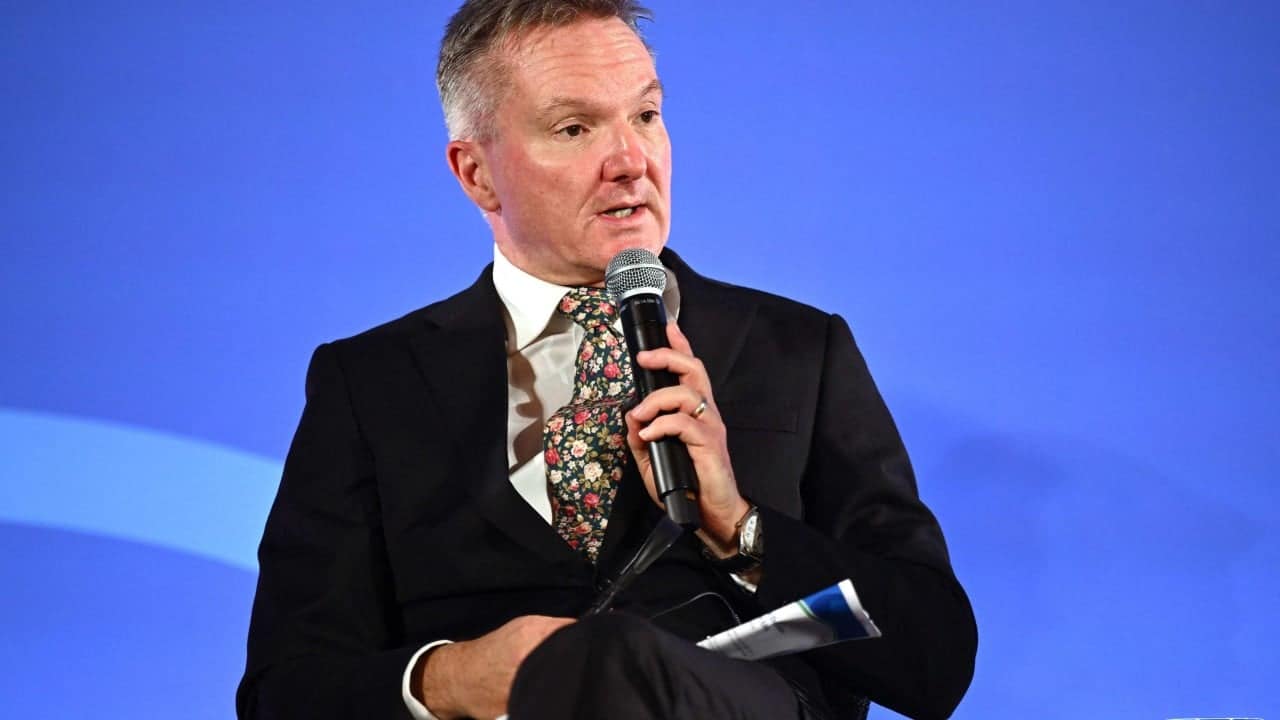
Australia has stated it will not purchase Russian fuel, despite a recent agreement between US President Donald Trump and Russian President Vladimir Putin for Russia to supply diesel to global markets. Australia's Minister for Climate Change and Energy, Chris Bowen, said on Saturday that the country does not "need or want Russian fuel" and that Russia should not be rewarded for its invasion of Ukraine.
Bowen, speaking at a press conference in western Sydney, reiterated Australia's stance that Russian fuel imports remain barred. He emphasized that while the United States' actions are a matter for them, Australia's policy would not change. "We do not want Vladimir Putin to benefit from this war in the Middle East," Bowen stated.
Trump announced on social media that he had a "highly successful discussion" with Putin, resulting in an agreement for Russia to immediately supply 300,000 metric tonnes of diesel to US and global markets. This initial shipment is expected to be followed by 500,000 tonnes in November and potentially up to 3 million tons later, depending on the condition of Russian refineries. The deal has drawn criticism from Democrats and some Republicans in the US, as well as from Ukrainian President Volodymyr Zelenskyy, who argued it would enable Russia to prolong its war.
Bowen also provided an update on Australia's fuel reserves, stating the country has 43 days' worth of petrol and 31 days' worth of diesel. He confirmed that 51 ships carrying fuel are en route to Australia, with significant quantities contracted for delivery over the next four weeks. He also mentioned discussions with Saudi Arabian representatives regarding fuel supply in preparation for upcoming UN climate talks.