Key facts
- Australia's monthly consumer price index (CPI) rose 1.0% in July, exceeding the 0.8% forecast.
- The annual inflation rate slowed to 3.5% in July from 3.8%, but was higher than the 3.3% forecast.
- Core inflation, measured by the trimmed mean, increased by 0.5% in July, with the annual pace at 3.6%.
- Three of Australia's four major banks forecast another rate hike this year.
- Household spending increased 1.1% in July, with the annual pace of growth at 7%.
Australia's consumer prices rose 1.0% in July, exceeding forecasts and reigniting fears that price pressures remain elevated. The annual inflation rate slowed to 3.5% from 3.8%, but remained above the predicted 3.3%. Core inflation also defied expectations, with the trimmed mean measure rising 0.5% monthly to an annual pace of 3.6%.
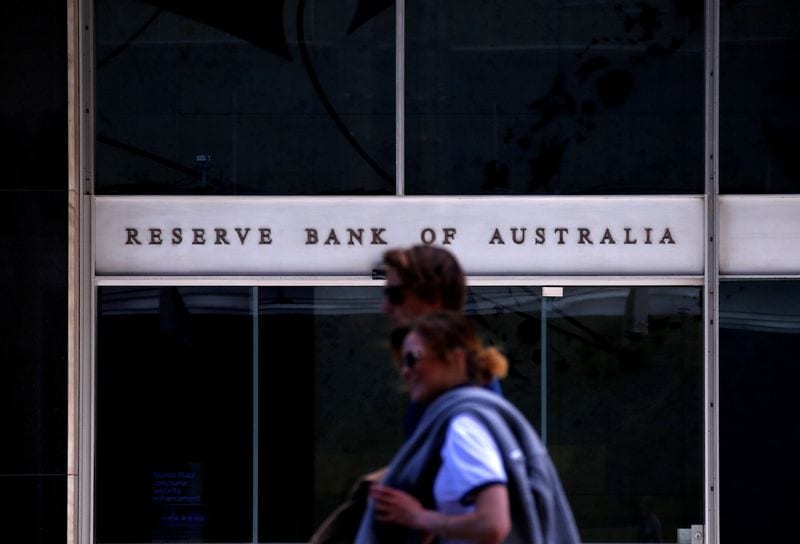
Following the inflation data, Commonwealth Bank of Australia, National Australia Bank, and ANZ now forecast a rate hike in November, with NAB suggesting an imminent rise at the next policy meeting. Westpac has maintained its view that rates will remain on hold. Policymakers at the Reserve Bank of Australia have previously warned of further hikes if inflation risks build, and markets now price in a 50% chance of a September rate increase.
Rising fuel, home building costs, rents, and restaurant meals contributed to the inflation figures. Economists noted that the renewed strength across underlying prices suggests the pace of disinflation has stalled.
Separately, Australian household spending gained for a third consecutive month in July, rising 1.1% to A$82.34 billion. The annual pace of spending growth picked up to 7%, the fastest since June 2023, suggesting demand is holding up in the face of rising borrowing costs.