Key facts
- The Hunter Valley Operations coal mine in New South Wales has been granted an extension until 2045.
- The extension allows for the extraction of an estimated 429 million tonnes of coal.
- The Independent Planning Commission cited continued employment and economic activity as key benefits.
- Climate groups argue the decision contradicts Australia's Paris Agreement commitments.
- The project is expected to generate 809 million tonnes of greenhouse gas emissions over 19 years.
- The mine contributes over $1 billion annually to the economy.
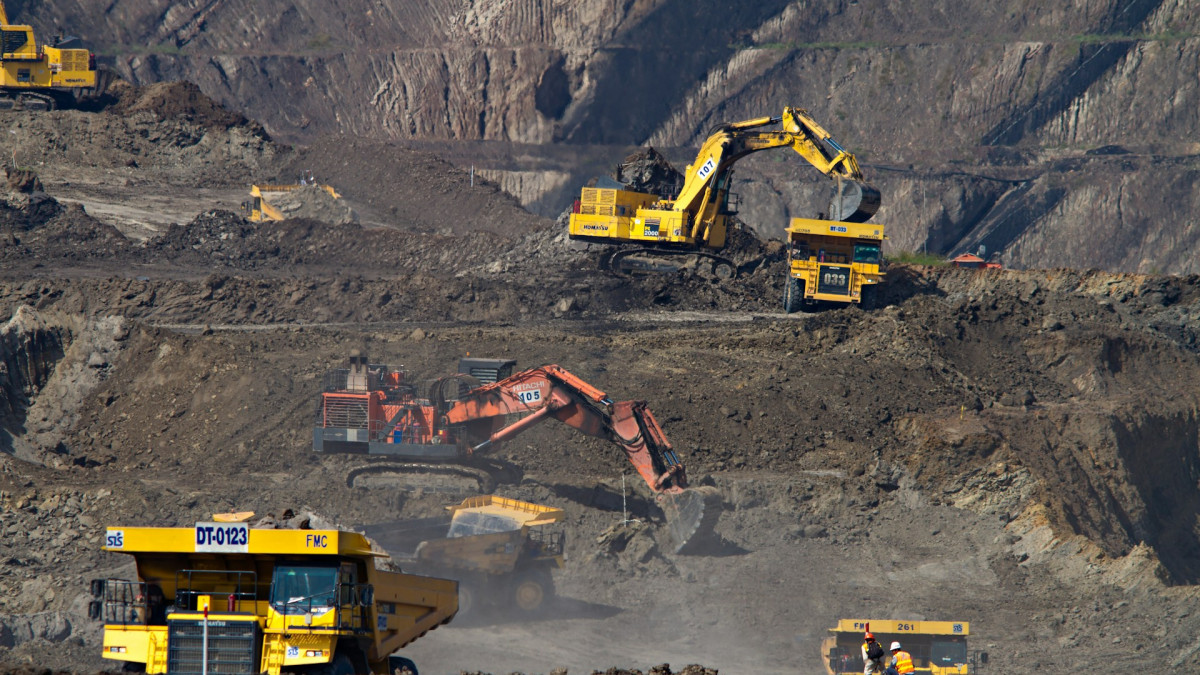
The New South Wales Independent Planning Commission (IPC) has approved a significant extension for the Hunter Valley Operations (HVO) coal mine, allowing it to continue operations until 2045. This decision permits the extraction of an estimated 429 million tonnes of coal from its North and South sites, a move that has sparked considerable controversy.
The IPC acknowledged that the mine would contribute to climate change impacts but deemed its benefits to the Hunter region and New South Wales, including continued employment, economic activity, and tax revenue, as outweighing these negative effects. The commission also suggested the extension would provide economic stability and support an orderly transition for workers and communities as the coal industry evolves.
However, the approval has faced strong opposition from climate and environmental groups, unions, and state authorities. Critics argue that the decision is inconsistent with Australia's commitments under the Paris climate agreement. Georgina Woods of the Lock the Gate Alliance stated that the mine's annual greenhouse gas pollution would negate all efforts made by Australia and NSW to reduce their own emissions, calling it a "catastrophic failure" of the planning system.
The HVO project is estimated to contribute over $1 billion annually to the economy and employs approximately 1,500 people in the Hunter Valley. Despite the economic arguments, the project is projected to generate 809 million tonnes of greenhouse gas emissions over 19 years, with significant environmental implications. Climate Council members highlighted that the exported coal leads to imported climate harm such as bushfires, floods, and heatwaves.
The project still requires federal environmental approval. If granted, the IPC and HVO will need to develop a plan to manage emissions from overseas coal burning, potentially limiting exports to countries with policies aligned with the Paris Agreement goals. The operator will also be expected to reduce its own greenhouse gas emissions, increase renewable energy use, and purchase carbon offsets. NSW Minister for Finance Courtney Houssos affirmed the state's commitment to legislated net-zero targets while acknowledging the importance of coal mining to the state's economy.
Australia, which is co-hosting the upcoming UN COP31 climate summit, has faced criticism for supporting new coal development. Activists have accused the nation of a "vacuum of action" regarding the transition away from fossil fuels, particularly given the surprise nature of the HVO extension.