Key facts
- Over 10,000 attacks on healthcare facilities have been recorded since 2018.
- Attacks in 2026 averaged over four per day, with 914 incidents reported by August.
- These attacks have caused approximately 5,700 deaths and 8,500 injuries since 2018.
- No perpetrators have been brought to justice for these verified attacks.
- Ukraine, Lebanon, and the Palestinian territories are the most affected areas in 2026.
- Health facilities are protected under international humanitarian law and the Geneva Conventions.
Attacks on healthcare facilities, workers, and patients in conflict zones have escalated, averaging more than four incidents daily in 2026, according to the World Health Organization. Between January and August of this year, the UN health agency recorded 914 such attacks, resulting in 911 deaths and 1,486 injuries. Ukraine, Lebanon, and the occupied Palestinian territories account for the majority of incidents.
Since 2018, the WHO has verified over 10,400 attacks across 29 countries and territories, leading to approximately 5,700 deaths and over 8,500 injuries. Despite health facilities being protected under international humanitarian law and the Geneva Conventions, the WHO stated that none of these verified attacks have entered an accountability process.
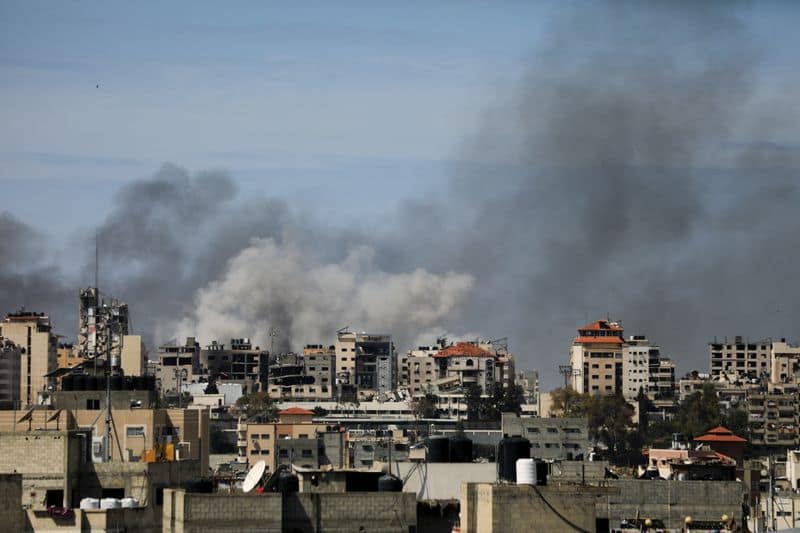
In Gaza, all 36 hospitals have sustained damage, with only about half remaining partially functional. Sudan reported 37% of its health facilities as non-functional this year. Since Russia's full-scale invasion, the WHO has verified over 3,100 attacks in Ukraine. Attacks on healthcare have lasting consequences, impacting patient care and hindering response efforts during health crises.