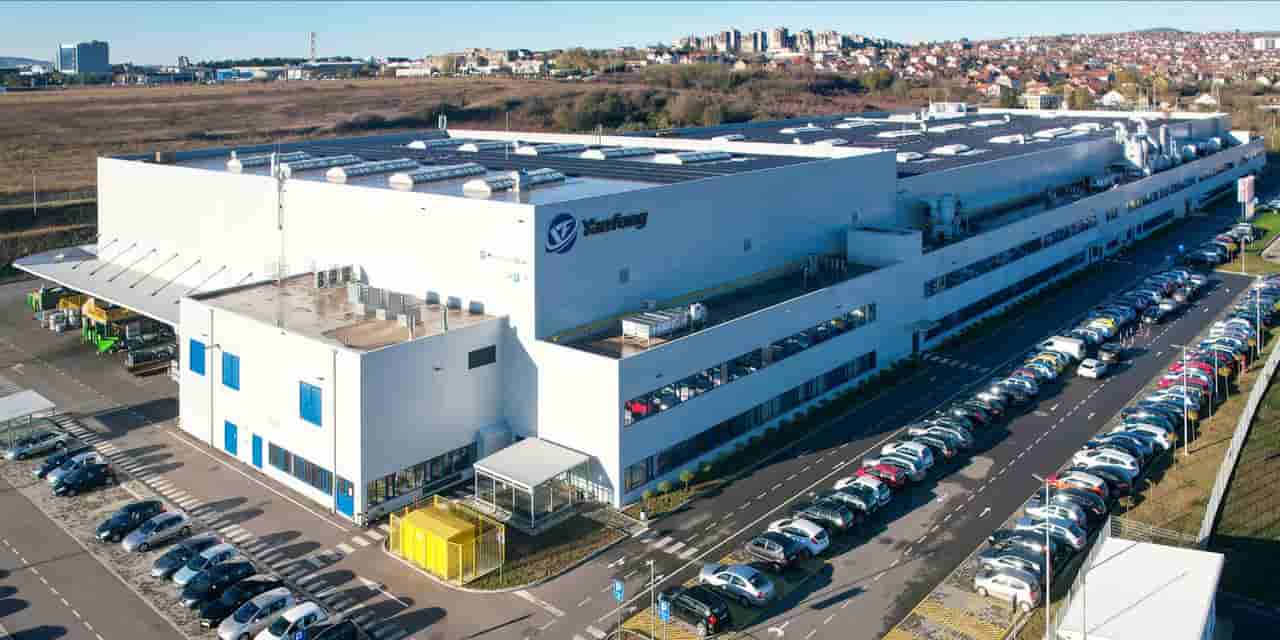
Key facts
- Asian businesses, including Chinese carmakers and Taiwanese tech firms, have doubled their industrial rental demand in Central and Eastern Europe over the past three years.
- Chinese companies are increasingly investing in and integrating with industrial chains in Central and Eastern Europe, particularly in the automotive and battery manufacturing sectors.
- Slovakia is actively seeking Chinese investment in innovation, R&D, and new technologies, with companies like Gotion High-tech and Zhejiang Geely Holding Group already present.
- China's total investment in Central and Eastern European countries surpassed $24 billion as of May 9.
- The China-CEEC Expo in Ningbo aims to facilitate trade, with anticipated import procurement intentions from Central and Eastern Europe exceeding 10 billion yuan.
- There is a risk that Central and Eastern European industrial networks could become Chinese assembly lines due to trade frictions and Chinese firms establishing EU operations to avoid tariffs.
Asian businesses, particularly Chinese carmakers and Taiwanese technology firms, have significantly increased their demand for industrial rental spaces in Central and Eastern Europe, doubling their footprint over the past three years. This surge is driven by factors including China's expanding investments and industrial integration in the region, as well as efforts to navigate global trade frictions and potential tariffs.
Slovakia, for instance, is actively encouraging Chinese investment in sectors like innovation, research and development, and new technologies. Chinese companies such as battery maker Gotion High-tech and automaker Zhejiang Geely Holding Group are already contributing to the region's development, especially in electric mobility. As of May 9, China's investment in Central and Eastern European countries had surpassed $24 billion.
The China-CEEC Expo in Ningbo highlights the growing economic partnership, with officials emphasizing a transition from policy coordination to practical results, including increased trade, infrastructure projects, and cooperation in green and digital industries. China's commitment to high-quality development and opening-up aims to share opportunities with these European nations.
However, concerns exist about the potential impact of global trade tensions. German carmakers are increasing investments in China, which could affect their Central European operations. There is also a risk that Chinese firms may establish manufacturing bases within the EU to circumvent tariffs, potentially transforming the industrial landscape of Central and Eastern Europe into a network of Chinese assembly lines. European policymakers are being urged to create attractive conditions to maintain and strengthen the existing industrial network and jobs.
Agricultural trade is also expanding, with 126 types of commodities from 14 Central and Eastern European countries gaining market access to China. The Ningbo expo is expected to generate substantial import procurement intentions from the region, underscoring the deepening economic ties.