Key facts
- Nearly half of Argentina's 45 million people owe money, with over 5 million behind on payments.
- Borrowers under 25 have the highest delinquency rate at 37.6%.
- Opposition lawmakers are proposing interest-rate caps and other measures to help Argentines renegotiate debts.
- President Javier Milei has rejected calls for government relief, attributing debt issues to individual spending habits.
- Annual interest rates on digital payment apps can reach triple digits.
- Over 80% of adults surveyed in Buenos Aires reported economic problems impacting their psychological well-being.
Young Argentines are increasingly burdened by debt, jeopardizing their educational and financial futures and testing support for President Javier Milei's administration. Martín Taborda, an 18-year-old law student, exemplifies this struggle, unable to afford his studies due to unemployment and accumulating debt from educational expenses.
Nearly half of Argentina's 45 million people owe money, with over 5 million behind on payments. The Center for City Studies reports that individuals under 25 have the highest delinquency rate at 37.6%. Many are forced to borrow for basic necessities like food and education, with digital payment apps charging triple-digit annual interest rates.
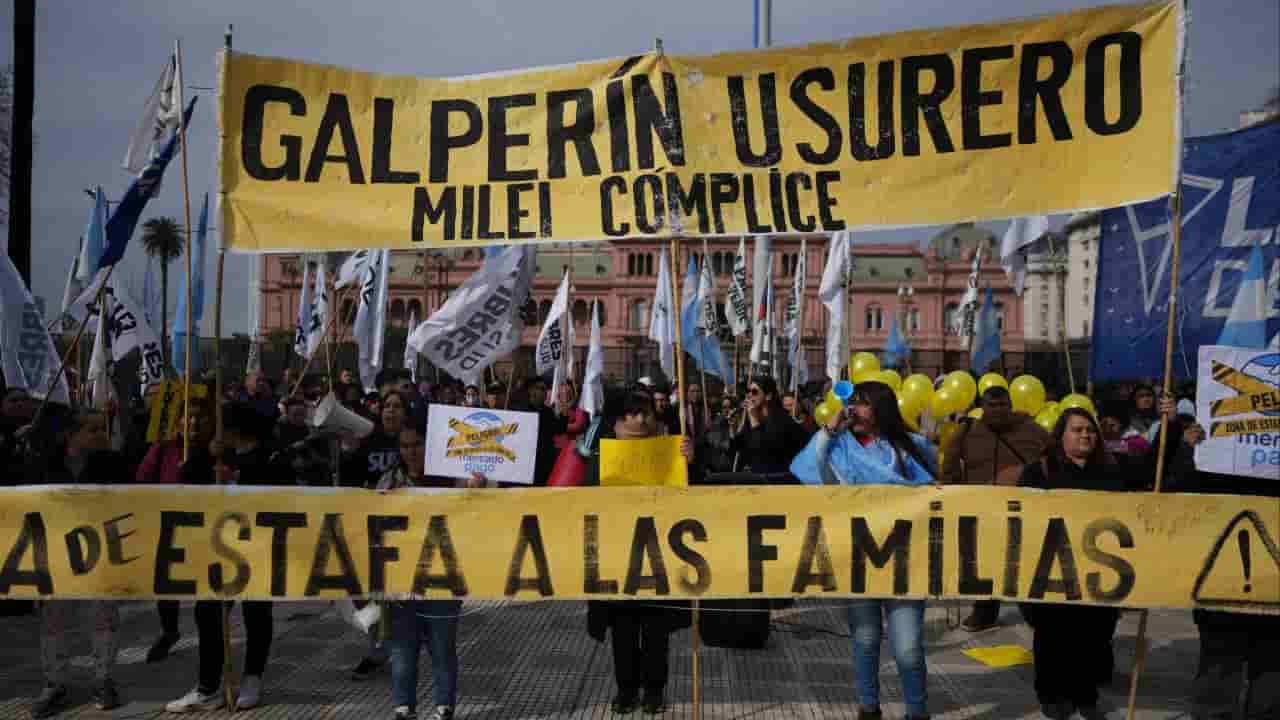
Opposition lawmakers are planning a special congressional session to debate measures such as interest-rate caps to help citizens renegotiate their debts. Labor unions and debtors are organizing protests outside Congress. This situation challenges Milei's free-market policies, as voters begin to prioritize jobs and wages over his success in reducing inflation.
President Milei has largely dismissed calls for government intervention, framing debt as a private matter and attributing delinquencies to irresponsible consumer behavior. Economy Minister Luis Caputo acknowledged that banks are offering more flexible repayment terms but cautioned against conflating empathy with public policy.
Milei's administration has achieved macroeconomic stability by slashing the budget deficit and reducing inflation from a peak of 289% to around 34%. However, cuts to subsidies for essential services like gas, electricity, and transportation have increased household expenses, forcing many to borrow.
The growing debt crisis is seen as a political risk for Milei, potentially eroding his support among young voters ahead of the 2027 presidential election. Public opinion consultant Ana Iparraguirre noted that the economic model is disproportionately affecting young people, potentially jeopardizing Milei's re-election chances.
Recent polling indicates a decline in Milei's approval ratings, with a majority of respondents feeling financially worse off since he took office. The economic struggles are also taking a significant toll on the psychological well-being of Argentines.
Discussion