Key facts
- AZ-COM Maruwa Holdings, a logistics firm for Amazon Japan, will use the JPYC stablecoin for payments to its 2,300 business partners.
- The JPYC stablecoin is regulated, backed 1:1 by yen deposits and Japanese government bonds.
- The company aims to facilitate faster, fee-free transactions for its network of subcontractors and truck drivers.
- This initiative is considered the first large-scale corporate use of a stablecoin in day-to-day operations in Japan.
- AZ-COM Maruwa Holdings is considering a business partnership with JPYC Inc. and a ¥1 billion investment in the token.
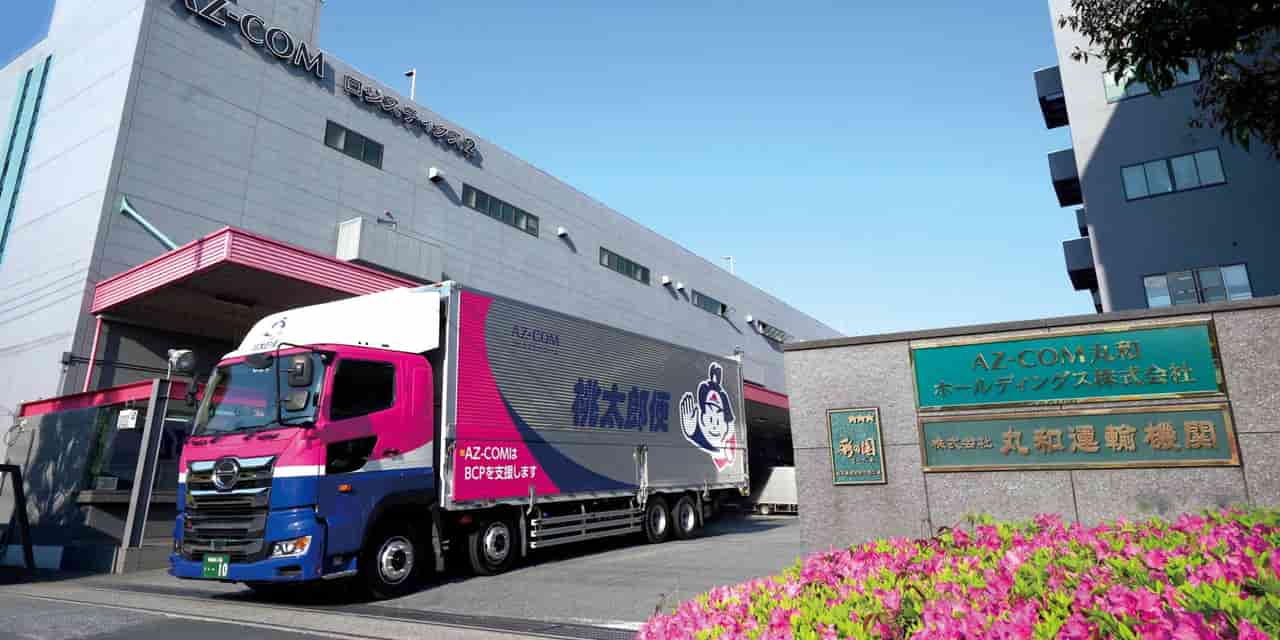
AZ-COM Maruwa Holdings, a Tokyo-listed logistics firm that distributes products for Amazon Japan, plans to pay approximately 2,300 partners, including subcontractors and truck drivers, using the regulated yen stablecoin JPYC. This move is seen as the first large-scale corporate use of a stablecoin in day-to-day operations in Japan, signaling expanding mainstream adoption of regulated stablecoins.
JPYC, Japan's first fully regulated yen-pegged stablecoin, is issued by Tokyo-based fintech firm JPYC Inc. It debuted in October last year under the Payment Services Act and maintains a strict 1:1 peg to the yen, fully backed by bank deposits and Japanese government bonds. As of last week, its on-chain circulation surpassed 2 billion yen.
AZ-COM Maruwa aims to facilitate faster cash flow and reduce settlement delays for drivers and small carriers, especially amid Japan's labor shortages and stricter overtime regulations. The company hopes that near-instant and free conversions to yen via stablecoins will make contracting work more attractive. Nikkei Asia reported that the company is also considering a formal business partnership with JPYC Inc. and a 1 billion yen investment in the token.
This development follows a recent announcement that convenience store giant Lawson will pilot JPYC payments at its Takanawa Gateway City store in Tokyo from early August. Both the Lawson pilot and AZ-COM's plan indicate rapid mainstream momentum for regulated stablecoins in Japan, moving from consumer retail experiments to large-scale B2B corporate payments.