Key facts
- Almonty Industries and Rwanda have formed a joint venture for tungsten development and processing.
- Rwanda will hold a 25% stake in the venture, contributing the Shyorongi tungsten exploration concession and a mineral processing license.
Almonty Industries and Rwanda have formed a joint venture to develop and process tungsten, with Rwanda receiving a 25% stake in the critical mineral project. The partnership, supported by a US economic framework, aims to diversify global supply chains away from China.
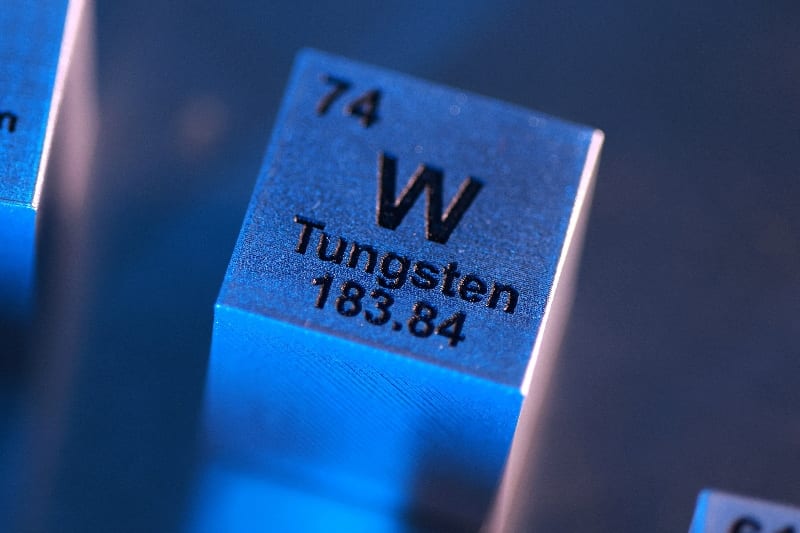
The venture aims to diversify global tungsten supply chains, reducing reliance on China and potentially impacting prices and availability for industries reliant on the critical mineral, particularly defense contractors facing new traceability requirements.
Toronto-based Almonty Industries announced on Monday a partnership with Rwanda to develop and process tungsten, a critical mineral. Under the agreement, Rwanda will receive a 25% stake in the joint venture, Almonty Rwanda Pty Ltd, in exchange for contributing the Shyorongi tungsten exploration concession and a mineral processing license. Almonty will retain the remaining 75% ownership.
The venture aligns with the 2025 U.S.-Rwanda Framework for Shared Economic Prosperity, which aims to support investments in critical minerals. This initiative is part of broader U.S. efforts to deepen partnerships with African nations and reduce reliance on China's dominance in mineral supply chains. Western countries are actively seeking to establish critical mineral supply chains outside of China's influence.
Initially, the project will source ore, pre-concentrate, and tailings from existing license holders, including small-scale miners, for export or upgrading. Plans are also in motion to construct a processing plant. The U.S. Geological Survey identifies Rwanda as one of the world's top 10 tungsten producers and a country seeking to enhance its mineral processing capabilities.
The project will integrate materials from current producers, a mobile tailings-processing unit, and exploration of the 32-square-kilometer Shyorongi concession, before the development of a centralized processing facility. This deal precedes new U.S. defense procurement regulations set to take effect in January 2027, which will mandate traceability for tungsten used in certain military supply chains.