Key facts
- Algeria deployed military aircraft to Niger on August 30 at the request of Nigerien authorities.
- The deployment is seen as a potential departure from Algeria's long-standing non-intervention doctrine.
- Niger has experienced increased tensions and attacks by militant groups, including Islamic State.
- Algeria views the instability in Niger as a threat to its security and economic interests, including energy projects.
- The move asserts Algeria's presence amid growing foreign influence in the Sahel region.
- Algeria severed diplomatic ties with the UAE on September 10, citing concerns over indirect financing of separatist groups.
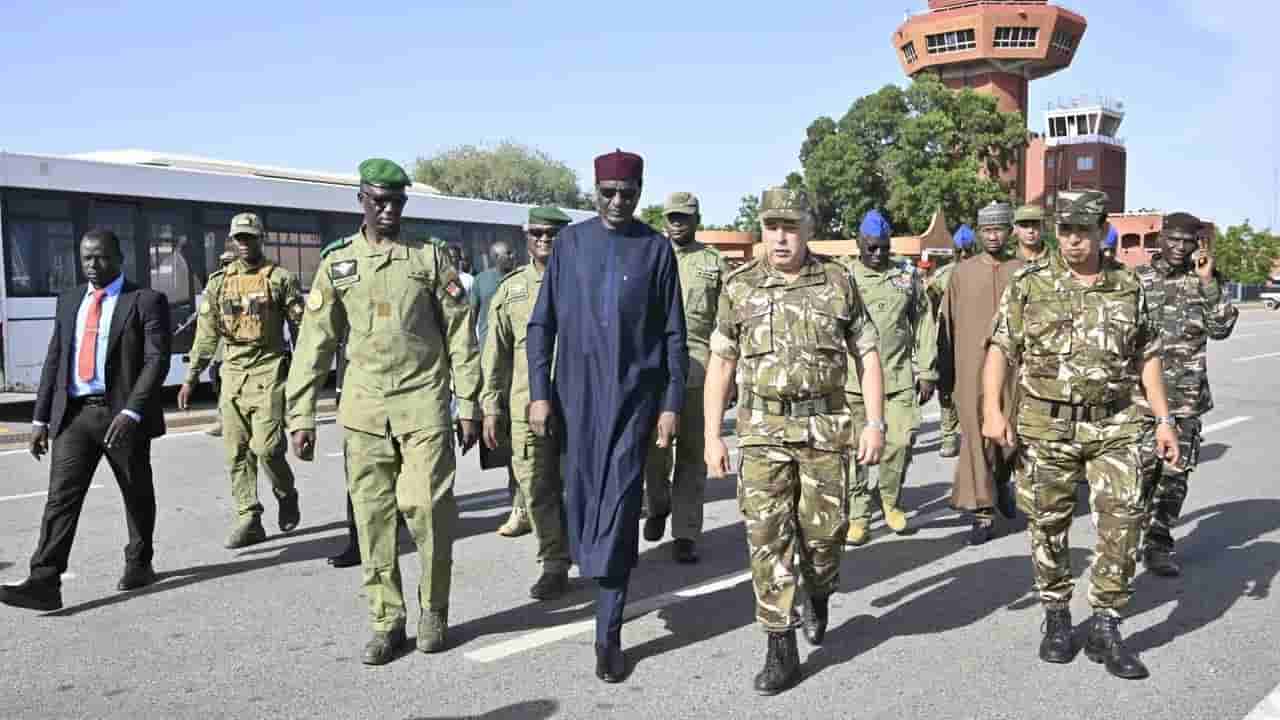
Algeria deployed fighter jets and other military aircraft to Niger on August 30, a move seen as a significant departure from its long-standing policy of non-intervention in foreign affairs. The operation, conducted at the request of Nigerien authorities and on the instruction of President Abdelmadjid Tebboune, aims to help its neighbor respond to a destabilization attempt.
The deployment comes amid heightened tensions in Niger, which has been led by General Abdourahamane Tiani since a military coup in July 2023. The country shares a 950km border with southern Algeria and has recently experienced mutinies targeting strategic sites, including the presidential palace and airport. These internal security challenges are compounded by the persistent threat of militant groups like the Islamic State in the Greater Sahara, which have claimed responsibility for deadly attacks in the region.
Analysts suggest Algeria's decision reflects a more pragmatic foreign policy, recognizing that its security and national interests can no longer be solely protected by defending its borders. Riccardo Fabiani, North Africa project director at the International Crisis Group, stated that Algeria must "defend its strategic depth." The open communication about the operation, including official press agency reports and video footage of the aircraft's arrival, underscores this shift.
Furthermore, the move serves to assert Algeria's influence in the Sahel, a region attracting increasing attention from various global powers. Algeria views foreign involvement, particularly from countries like the UAE, with suspicion, accusing Abu Dhabi of indirectly financing armed groups. This concern contributed to Algeria severing diplomatic ties with the UAE on September 10.
Economically, Niger's stability is crucial for Algeria's energy projects, including the proposed Trans-Saharan Gas Pipeline. Algeria has also been supporting Niger's development through electricity provision and infrastructure projects, aiming to foster prosperity and integration in the region. The instability in Niger poses a risk to these investments and strategic initiatives.