Key facts
- Southwest Airlines forecasts Q3 profit between 50 and 75 cents per share, below the 82 cents analyst estimate.
- Renewed U.S.-Iran hostilities drove fuel prices higher, impacting Southwest's forecast.
- Alaska Air forecasts Q3 profit between $0 and $1 per share, below the $1.38 analyst estimate.
- Alaska Air's Q3 economic fuel cost is expected to average $3.75 per gallon.
- Alaska Air reported an adjusted second-quarter loss of 92 cents per share.
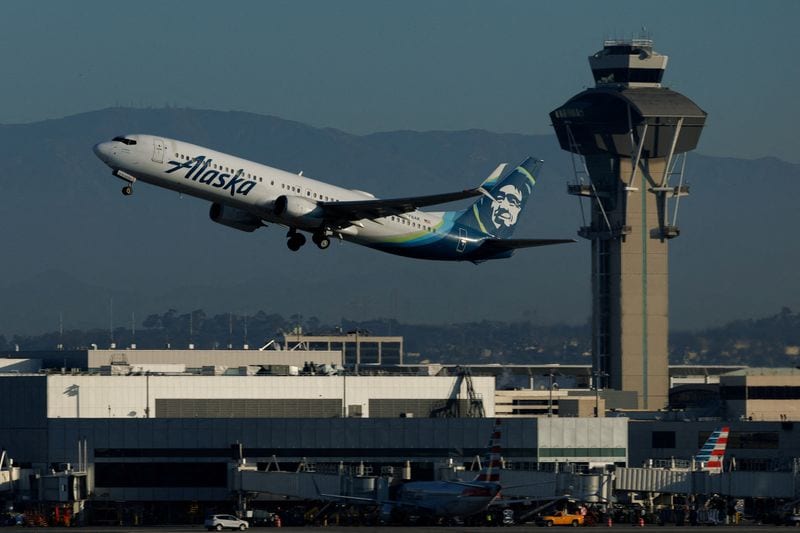
Southwest Airlines forecast third-quarter profit below Wall Street expectations on Wednesday, as renewed U.S.-Iran fighting sent fuel prices higher again. The Dallas-based carrier expects to post an adjusted profit of 50 to 75 cents per share for the July-September quarter, while analysts on average estimate 82 cents per share. This comes as Alaska Air Group Inc. also projected its third-quarter profit would fall short of expectations due to elevated jet fuel prices, anticipating an adjusted profit per share between $0 and $1, below the average analyst estimate of $1.38 per share. Alaska Air's shares declined by 3% in extended trading following its forecast.
U.S. airlines are contending with billions of dollars in increased fuel expenses this year, with disruptions to shipping through the Strait of Hormuz and conflict involving Iran driving oil and jet-fuel prices sharply higher. Jet fuel prices had retreated from their spring peak following a temporary truce in June but resumed their ascent in July as hostilities reignited.
Alaska Air expects its average economic fuel cost for the third quarter to be $3.75 per gallon, a decrease from the $4.43 per gallon paid in the previous quarter, attributed to a moderation in refining margins. Fuel typically represents about a quarter of an airline's operating costs, and price volatility has led carriers to increase fares, reduce flight schedules, and seek further cost reductions. The airline is particularly susceptible to West Coast fuel markets, where limited refining and pipeline capacity can lead to higher and more volatile prices. Alaska Air has been working to diversify its fuel supply by increasing imports from Singapore.
In contrast, Delta Air Lines reported a stronger-than-expected third-quarter outlook earlier in July. United Airlines' forecast, however, also missed Wall Street estimates, though both carriers noted that robust demand and higher fares were helping to offset increased fuel costs, with premium travel remaining particularly strong. For the second quarter, Alaska Air reported an adjusted loss of 92 cents per share, narrower than the average analyst estimate of a 99-cent loss. Alaska Air's CEO, Ben Minicucci, stated the airline returned to profitability in June with a double-digit pretax margin, despite significantly higher fuel prices.