Key facts
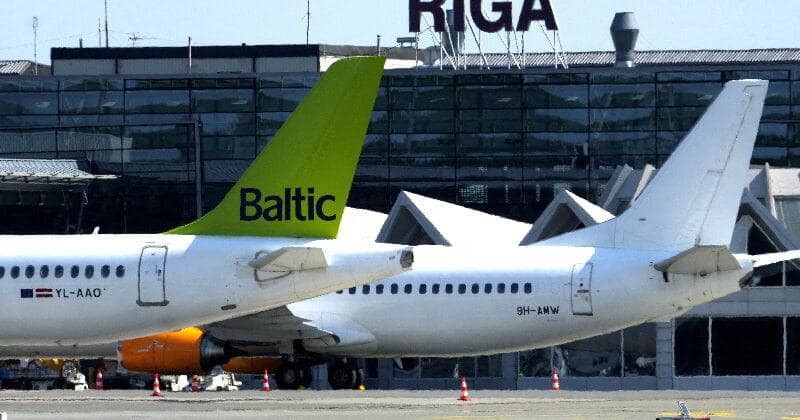
- Latvian airline airBaltic filed for Chapter 11 bankruptcy protection on Monday.
- airBaltic is the first European carrier to file for bankruptcy during the Iran war.
- The Iran war is driving up jet fuel costs and impacting the aviation sector.
- Airlines operate with thin profit margins, making them vulnerable to geopolitical turmoil.
- Smaller airlines are particularly at risk due to high fuel prices.
- Wizz Air reported deepened operating losses in its first quarter.
Latvian airline airBaltic filed for Chapter 11 bankruptcy protection on Monday, marking the first European carrier to do so during the ongoing Iran war. The conflict has significantly increased jet fuel costs, creating a challenging environment for the aviation sector.
Airlines typically operate with thin profit margins, making them susceptible to geopolitical events, especially during winter when travel demand typically slows and airlines burn through cash reserves from the busier summer season. Smaller and niche carriers are considered particularly vulnerable to further earnings pressure as long as the Strait of Hormuz remains blocked, which is expected to keep jet fuel prices high.
Bigger budget airlines, while also affected by a doubling of fuel prices since late February, possess individual strengths. Wizz Air, for instance, reported deepened operating losses in its first quarter but stated it expects revenue per seat to continue falling in the current quarter after reducing fares. The airline noted its strong liquidity, disciplined hedging program, and efficient fleet as supporting its continued investment and growth. James Halstead of Aviation Strategy highlighted Wizz Air's stock market listing as an advantage over state-owned airlines, suggesting its current sacrifice of returns is for future stability.
Other carriers are also facing financial headwinds. Southeast Asian budget airline AirAsia is seeking to raise fresh capital following consistent losses and restructuring efforts, though it maintains strong underlying demand and business continuity. Canada's Air Transat has also contended with escalating jet fuel costs.
Industry executives and investors anticipate that the difficult market conditions may lead smaller national airlines to cede routes to larger, better-capitalized competitors. Budget airlines like Ryanair and Wizz Air are also poised to gain market share by taking over secondary airports and securing prime slots and routes in Central Europe.