Key facts
- AI tools were used to design enzymes that cut specific proteins.
- The designer enzymes are based on zinc and cysteine protease mechanisms.
- Researchers achieved a 19% success rate for cysteine protease designs.
- 35 out of 38 zinc protease designs showed catalytic activity when a water molecule was included as a constraint.
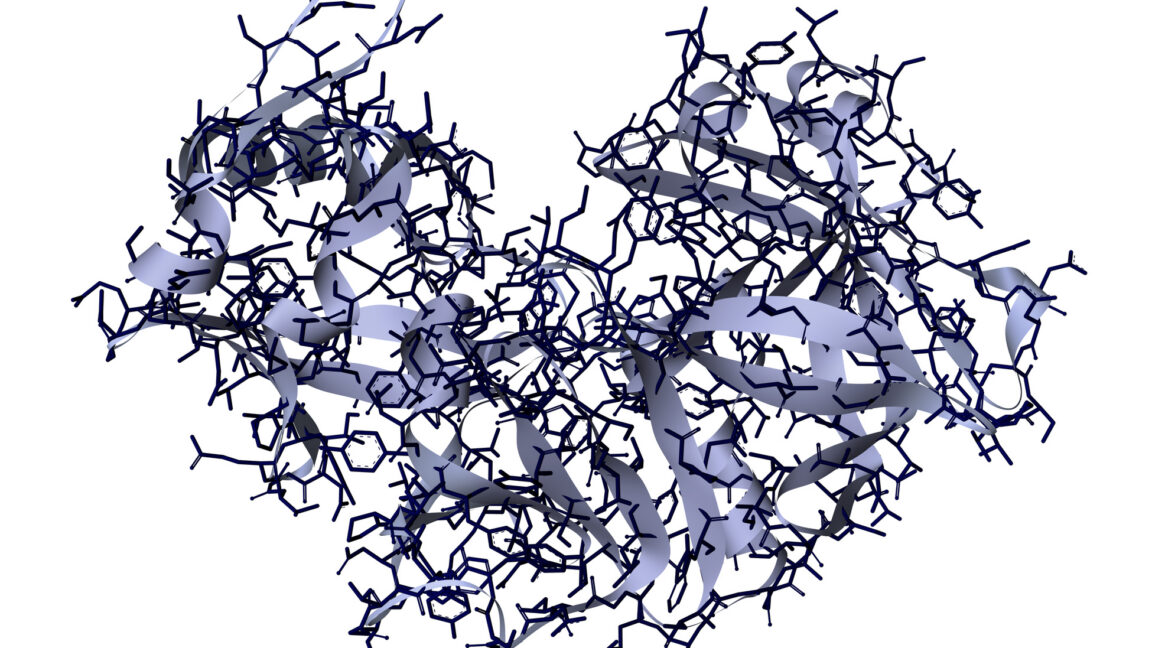
Researchers have utilized AI-based protein design tools to create novel enzymes capable of cleaving specific proteins. These designer enzymes are based on the catalytic cores of natural proteases, specifically zinc and cysteine proteases. The process involved using software like RFdiffusion2 to create enzyme backbones and ProteinMPNN to populate them with specific amino acids, with the goal of bringing key catalytic amino acids together and accommodating target protein sequences. The effectiveness of these designer enzymes was demonstrated by their ability to cut proteins associated with neurological diseases. For cysteine proteases, a 19% success rate was achieved, while for zinc proteases, a 35 out of 38 success rate was observed when a water molecule was included as a design constraint.