Key facts
- AI tool Pinal designs proteins from natural language prompts.
- Pinal uses T2struct to translate prompts into structural blueprints.
- SAProt-T constructs the final amino acid sequence for protein designs.
- The system was trained on millions of protein sequences and function tags.
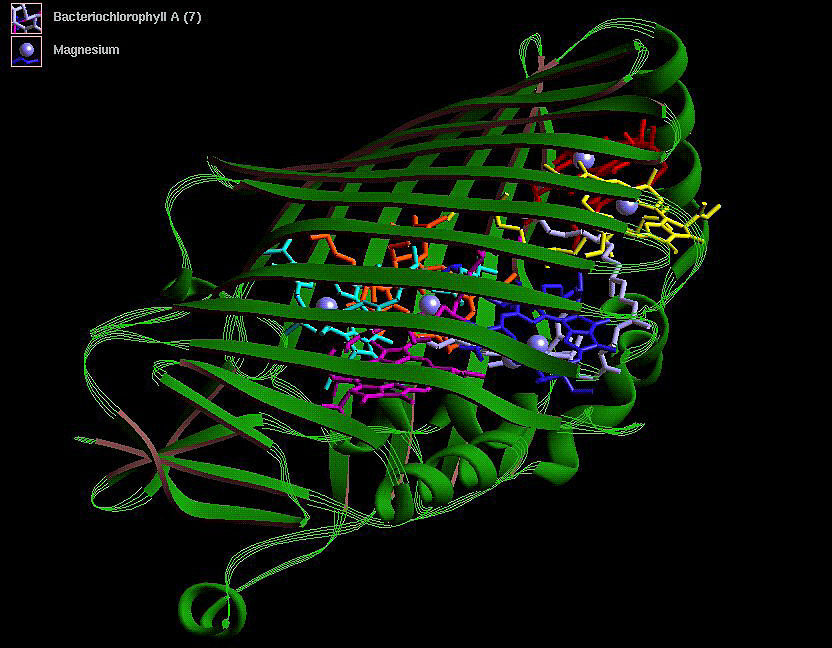
- One designed fluorescent protein successfully fluoresced in tests.
A new AI tool named Pinal allows users to design proteins by providing natural language prompts, a significant step towards making protein design more accessible. Developed by a collaboration of researchers, Pinal translates these prompts into structural blueprints and then generates the corresponding amino acid sequences. This approach leverages vast databases of protein sequences and their associated functions. In parallel, Hugging Face announced it is now hosting a similar AI tool focused on DNA design. While the success rate for generating functional proteins can be low, the ability to use natural language represents a notable advancement in the field.