
Key facts
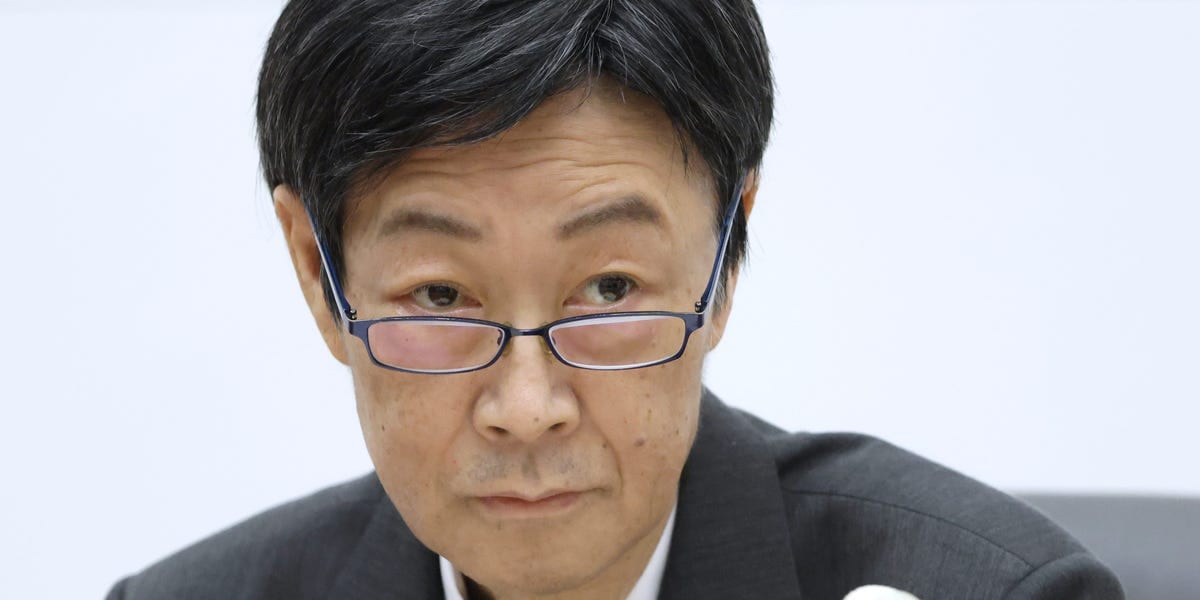
- AI may alter where interest rates ultimately settle by boosting demand, lifting productivity, and increasing capital investment, Bank of Japan Deputy Governor Shinichi Uchida said.
- Uchida stated AI could affect the neutral rate of interest (r-star), potentially requiring central banks to maintain higher policy rates.
- AI has become a "favorite topic" among central bankers and an immediate issue for monetary policy, Uchida added.
- The benchmark 10-year JGB yield was 3.09% around midday in Japan, near a three-decade high.
- The 30-year JGB yield touched a record 4.235%.
Artificial intelligence may be influencing the trajectory of interest rates, according to Bank of Japan Deputy Governor Shinichi Uchida. He suggested that the AI boom could lead to higher long-term interest rates by stimulating demand, enhancing productivity, and driving capital investment.
In a speech in Tokyo on Monday, Uchida explained that AI presents a significant positive demand shock, which puts upward pressure on the economy and prices. Furthermore, he noted that AI could positively impact the supply side by raising productivity and increasing capital stock accumulations. These factors, he said, could affect the neutral rate of interest (r-star), the level at which the economy is neither stimulated nor restrained.