Key facts
- The article references the 1670 trial of William Penn at London's Old Bailey.
- Penn and his co-accused were charged with contravening the Conventicle Act 1664.
- The Act banned religious gatherings other than those of the Church of England.
- The jury refused to convict Penn and his co-accused despite the judge's direction.
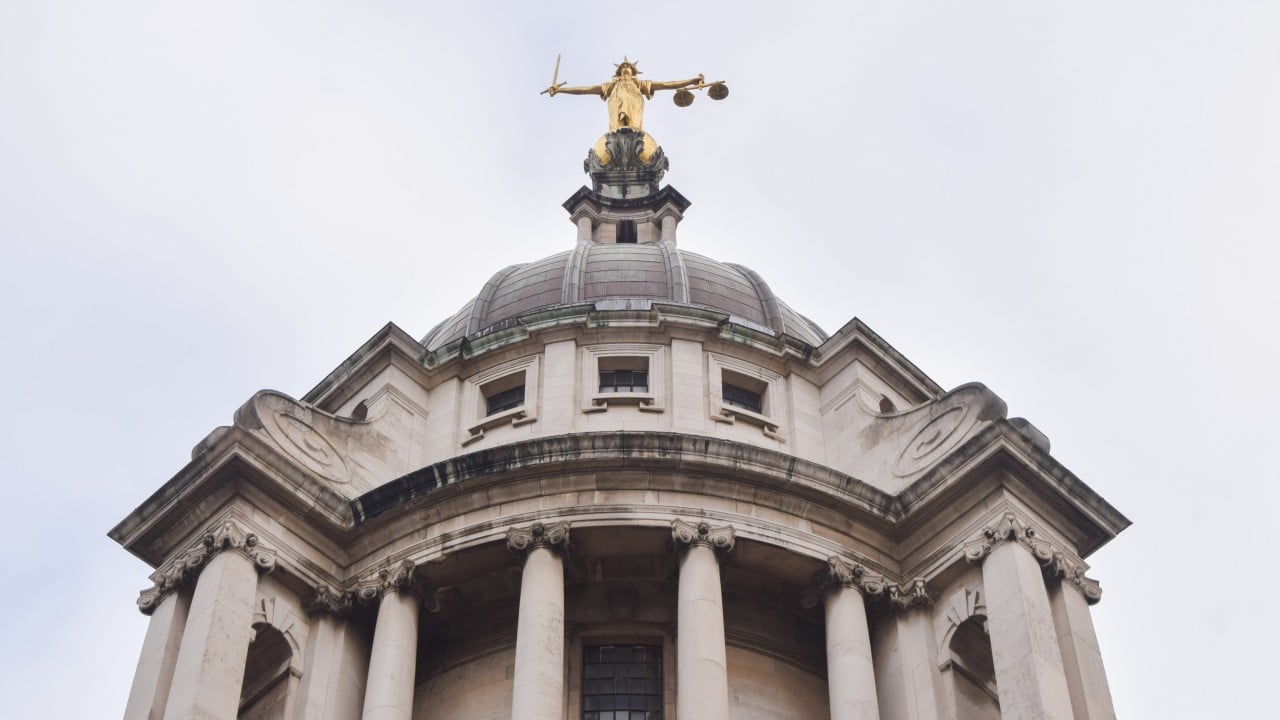
The article begins by referencing a plaque in London's Central Criminal Court, the Old Bailey, commemorating the jury's courage in the 1670 trial of William Penn. Penn, who later founded the state of Pennsylvania, and his fellow defendants were Quakers. They were accused of violating the Conventicle Act of 1664, which prohibited religious gatherings outside of the Church of England. The presiding judge, the Recorder of London, instructed the jury to find Penn and his associates guilty. However, the jury defied this direction and refused to convict.