Key facts
- 1.5 million of 7.5 million borrowers on the SAVE plan have selected a new repayment plan.
- The SAVE plan, a Biden-era initiative, offered lower monthly payments and a shorter debt relief timeline.
- The Trump administration eliminated the SAVE plan.
- Borrowers have a 90-day window to switch plans after notification, with the first deadline on September 29.
- Some borrowers switched off SAVE before receiving notices to earn credit toward forgiveness programs.
- A lawsuit seeks to block the forced transfer of SAVE borrowers to new plans.
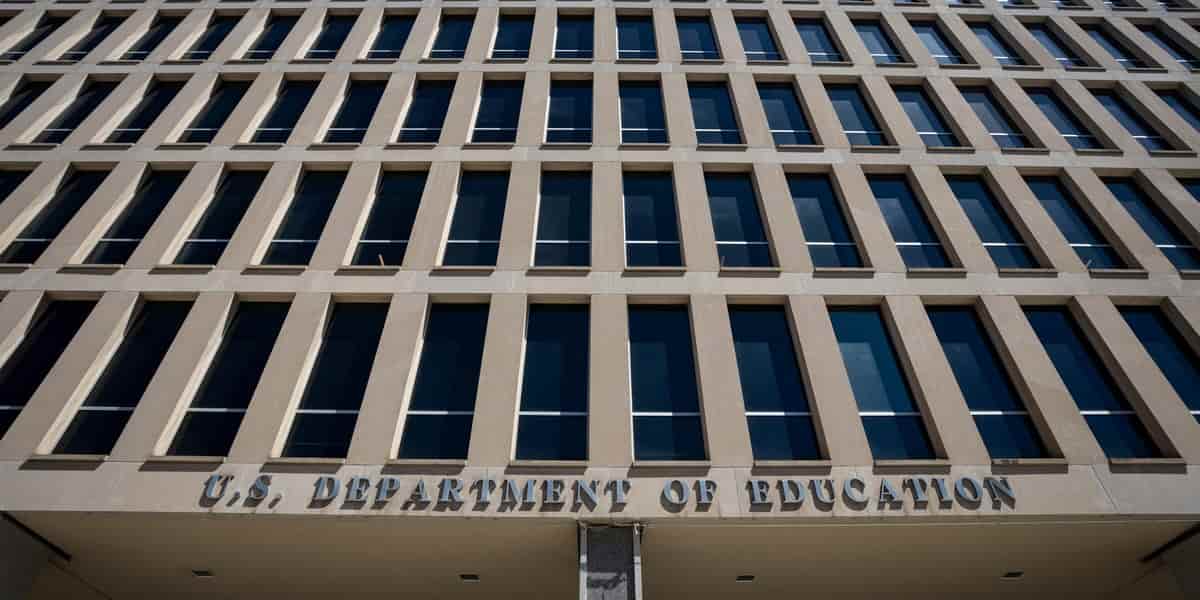
The U.S. Department of Education is urging student-loan borrowers to leave the Saving on a Valuable Education (SAVE) repayment plan, as a deadline for the first group of borrowers approaches on September 29. As of Monday morning, 1.5 million of the 7.5 million borrowers enrolled in the SAVE plan had switched to a different repayment option. The department stated that these borrowers are making progress toward paying down their balances and accessing loan discharge benefits they might otherwise miss.
The SAVE plan, introduced by the Biden administration, was designed to offer lower monthly payments and a faster path to debt relief. However, the Trump administration eliminated the plan. Beginning July 1, loan servicers started a 90-day notification process for enrolled borrowers, giving them a window to select a new plan or be automatically moved to a standard repayment plan, which typically has higher payments. Servicers anticipate notifying all SAVE borrowers by the end of 2026.
Approximately 80% of SAVE borrowers have not yet left the plan, with some waiting for their official 90-day notices. Others have proactively switched to different income-driven repayment plans or the Public Service Loan Forgiveness program to begin earning credit toward forgiveness. The Department of Education has not detailed how borrowers who do not select a new plan will be transitioned or notified.
Some borrowers who have switched plans have reported encountering glitches and errors, including incorrect billing amounts and erroneous delinquency notices. The department acknowledged these issues and stated they have been resolved, though they have caused confusion for some borrowers.
Additionally, a lawsuit filed in June by the law firm Public Goods Practice seeks to prevent the forced transfer of SAVE borrowers to new plans. The department disputes the lawsuit's claims and advises borrowers to choose a "lawful" repayment option promptly.